
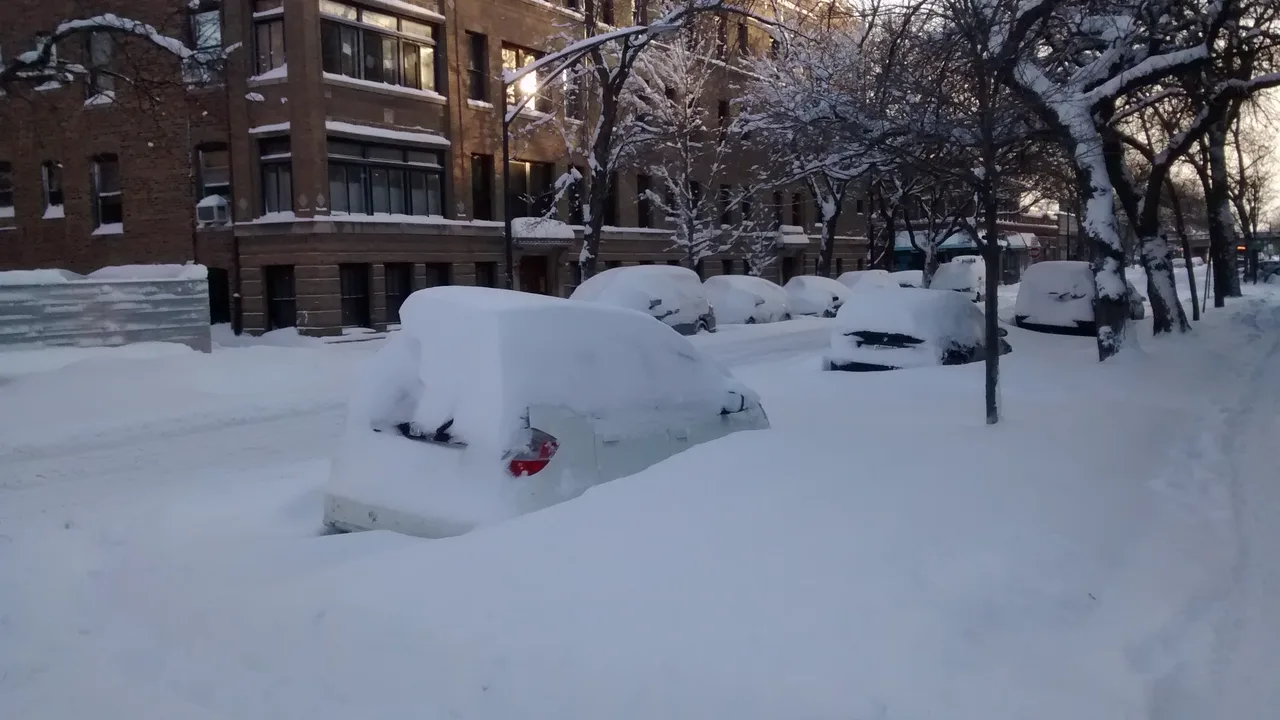
Snow, ice and early darkness make winter the toughest time of year to drive. These winter driving tips for Ontario can help you get where you need to go safely, whether you drive to work, to appointments or to visit family.
At Friendship House in Brantford, we want every neighbour to get home safely. This guide uses Ontario.ca’s winter driving advice, in plain language.
Quick answer
How can I drive safely in an Ontario winter?
Use four winter tires, keep your gas tank at least half full and clear all snow and ice from your car before you leave. Slow down, do not use cruise control on snowy or icy roads, and never pass a working snowplow. Keep a winter survival kit in the car, and check road conditions on Ontario 511 before you go.
Get your car ready
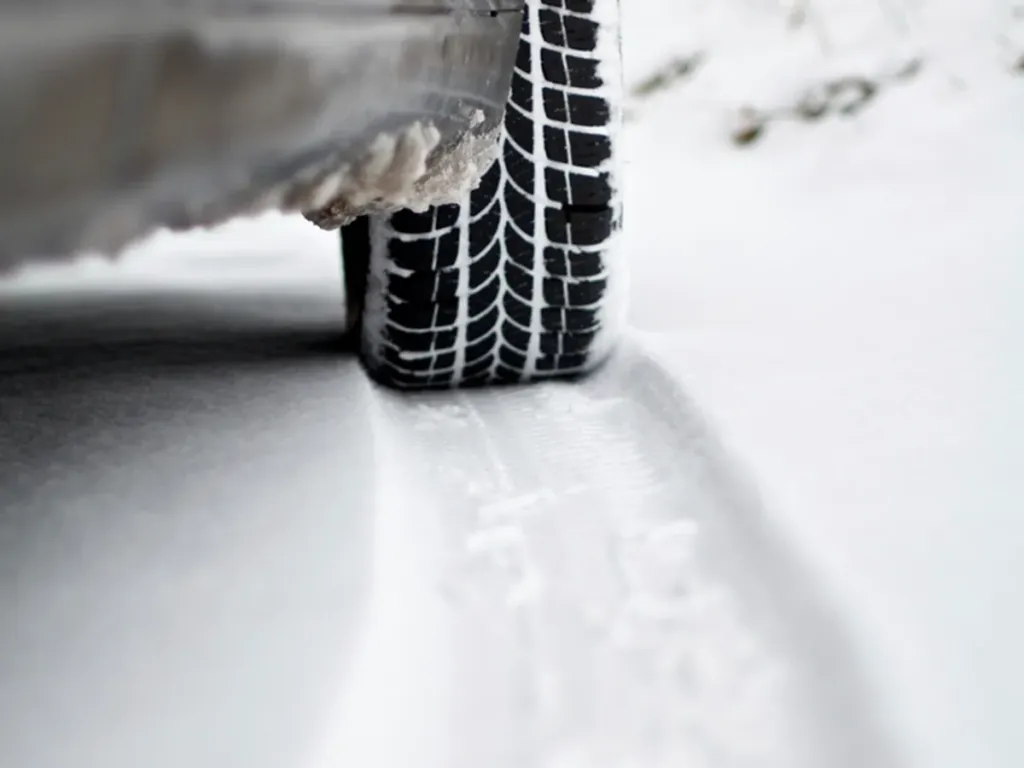
Ontario.ca’s winter driving page (opens in a new tab) recommends four winter tires. It says winter tires improve traction and control in frost, snow and ice, and can shorten braking distances by as much as 25%.
- Install four winter tires, and never mix different types of tires on one vehicle.
- Keep your gas tank at least half full.
- Use windshield washer fluid rated to -40ºC.
Pack a winter survival kit
Ontario.ca suggests keeping a winter survival kit in your vehicle. If you get stuck or stranded, it can keep you safe and warm until help arrives.
| Item | Why it helps |
|---|---|
| Charged phone | Call for help |
| Water and non-perishable food | Keep your energy up while you wait |
| Flashlight | See and be seen in the dark |
| Blankets and warm clothes | Stay warm |
| Jumper cables | Start a dead battery |
| Shovel, and traction mats or sand | Dig out and get moving |
| Candles and a lighter or matches | Light and a little warmth |
Our guide on how to prevent frostbite (opens in a new tab) explains how to stay warm if you are stuck outside.
Before you drive
- Clear ice and snow from all windows, lights, mirrors and the roof.
- Check the weather and road conditions.
- Give yourself extra time, so you are not rushing.
- Tell someone your route and when you expect to arrive on long trips.
Check road conditions on Ontario 511 at ontario.ca/511, or dial 511 for a hands-free, voice-activated phone service.
On the road
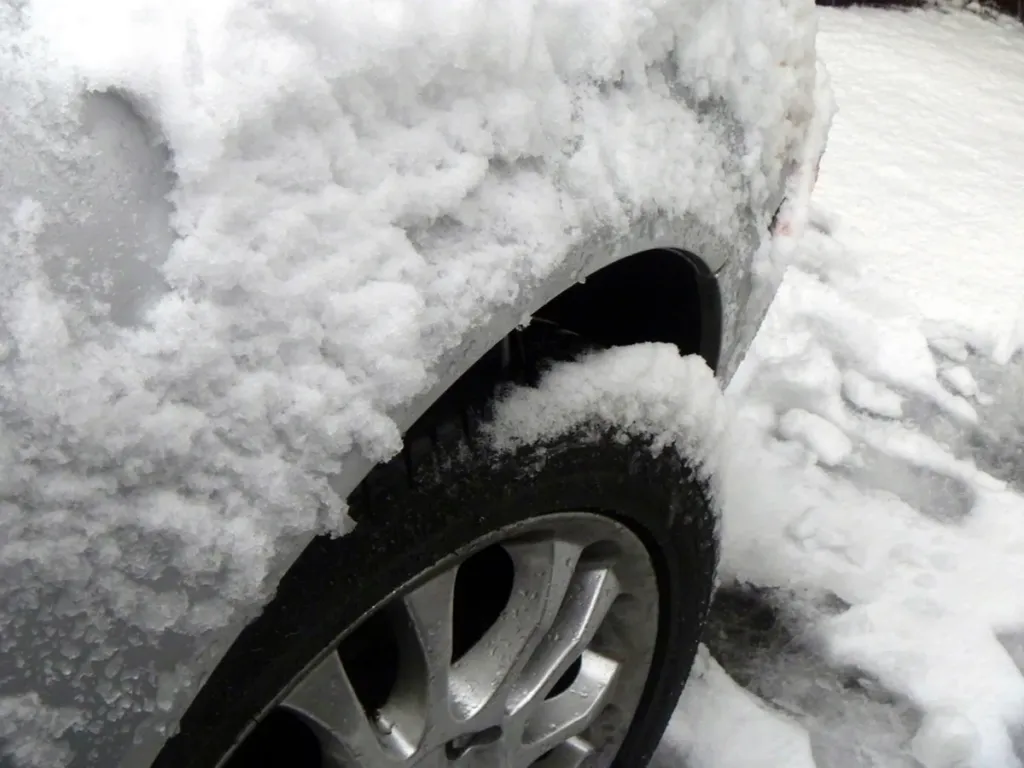
Ontario.ca says many winter collisions happen because drivers are going too fast for road conditions. Slow down, leave more space between you and the car ahead, and stay alert.
- Watch for shaded areas, bridges and overpasses, which freeze earlier than other parts of the road.
- Do not use cruise control on wet, snowy or icy pavement.
- If conditions become dangerous, pull over safely and wait for the weather to improve.
If you skid
Skids are frightening, but staying calm helps. Ontario.ca says to release your brakes and steer in the direction you want to go.
Be careful not to steer too far, or the car could spin.
Driving in a snowstorm
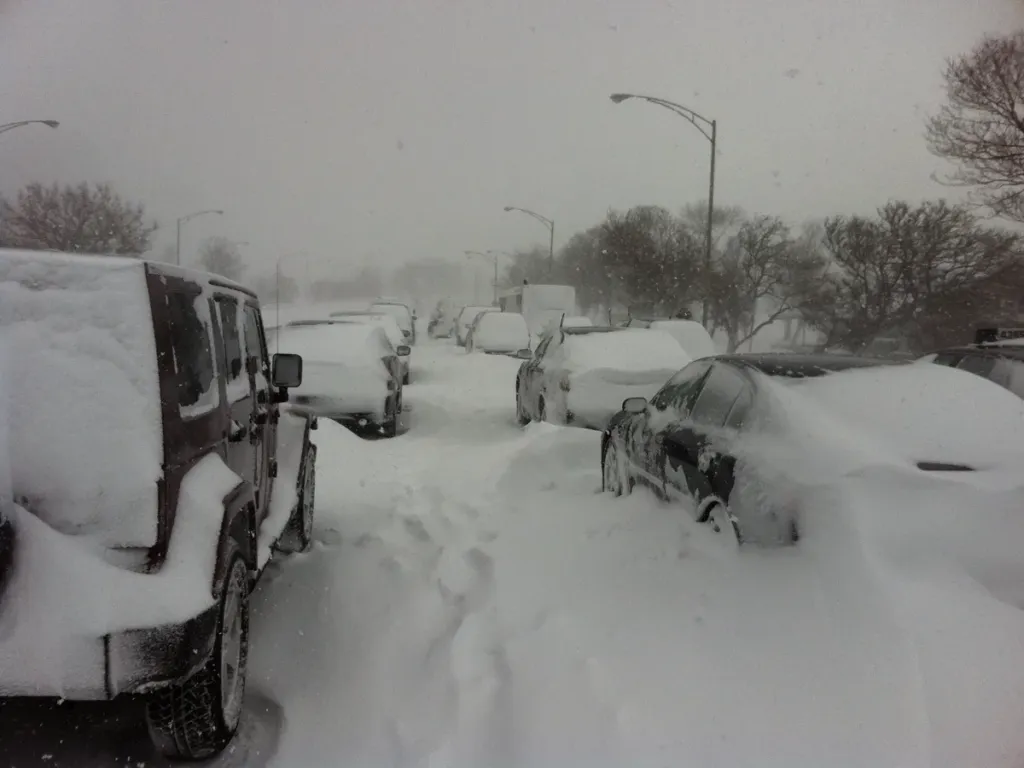
When snow is falling hard, visibility can drop to almost nothing. Turn on your headlights, slow down well below the speed limit and leave extra space between you and the car ahead.
If you cannot see the road or the car in front of you, Ontario.ca’s advice applies: pull over safely and wait for the weather to improve. No trip is worth the risk.
Keep your car winter-ready all season
- Keep a brush and ice scraper in the car.
- Keep your survival kit in the car all winter, not just on long trips.
- Keep your gas tank at least half full.
These simple habits mean you are ready when the weather changes quickly.
Teen and new drivers
Winter is hardest for new drivers. If you have a teen learning to drive, practise together in an empty, snowy parking lot so they can feel how the car brakes and steers on slippery ground. Go over the skid advice and the survival kit before they head out alone.
Night driving in winter
In winter, it gets dark early, often before the evening commute ends. Darkness, glare from snow and wet roads make it harder to see people walking, cyclists and black ice.
- Keep your headlights and tail lights clear of snow and road salt.
- Slow down more at night than you would during the day.
- Watch for people walking near intersections and bus stops.
- Plan trips during daylight when you can.
Plan your trip before you leave
Before a longer drive, check the forecast and road conditions on Ontario 511. If a storm is on the way, think about whether the trip can wait.
If you must go, tell someone your route and expected arrival time, charge your phone and make sure your survival kit is in the car. These steps take only a few minutes and could make a big difference if something goes wrong.
Snowplows
Give snowplows plenty of room, and never pass a working snowplow. Ontario.ca says roads are plowed in sections, so you usually will not be stuck behind a plow for more than 20 to 30 minutes.
Being patient behind a plow is safer than trying to get around it on a snowy road.
Walking, cycling and taking the bus
Not everyone drives. If you walk in winter, wear boots with good grip and bright or reflective clothing, especially in the dark. Our guide on how to prevent falls on ice (opens in a new tab) has more tips.
Drivers, watch carefully for people walking on snowy sidewalks and crossing at corners, where snowbanks can block your view.
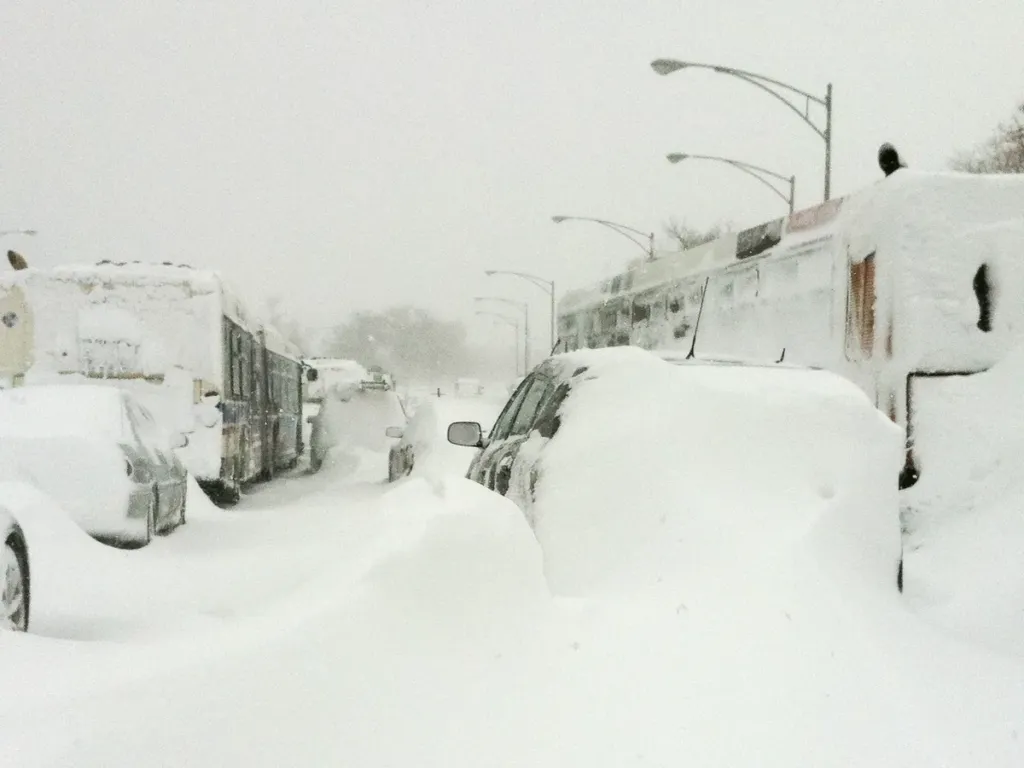
If you get stuck
- Call for help with your charged phone.
- Use your shovel and traction mats or sand to try to get moving.
- Keep the tailpipe clear of snow if you run the engine for heat; see carbon monoxide safety tips (opens in a new tab).
Help for neighbours who do not drive
Winter can be isolating for people who do not drive. Offer a ride to an older neighbour, or pick up groceries for someone who cannot get out. Our guide on how to help elderly neighbours in winter (opens in a new tab) has more ideas.
A warm stop in Brantford
Friendship House at 452 Grey Street serves coffee, tea and a light breakfast from 8 a.m. and a hot meal Monday to Thursday, 10 to 11 a.m. Everything is free and open to everyone; see our free services (opens in a new tab).
Frequently asked questions
Do I need winter tires in Ontario?
Ontario.ca recommends four winter tires. It says they improve traction and can shorten braking distances by as much as 25%.
What should be in a winter car survival kit?
A charged phone, water, non-perishable food, a flashlight, blankets and warm clothes, jumper cables, a shovel, traction mats or sand, and candles with a lighter or matches.
What should I do if my car skids?
Release your brakes and steer in the direction you want to go, without steering too far.
How can I check road conditions in Ontario?
Use Ontario 511 at ontario.ca/511, or dial 511 for a hands-free phone service.
Can I pass a snowplow?
No. Ontario.ca says never pass a working snowplow. You usually will not be behind one for more than 20 to 30 minutes.
A little preparation makes winter driving much safer. Get your car ready, pack your kit, slow down, and visit our free services at Friendship House (opens in a new tab) for a warm meal.