
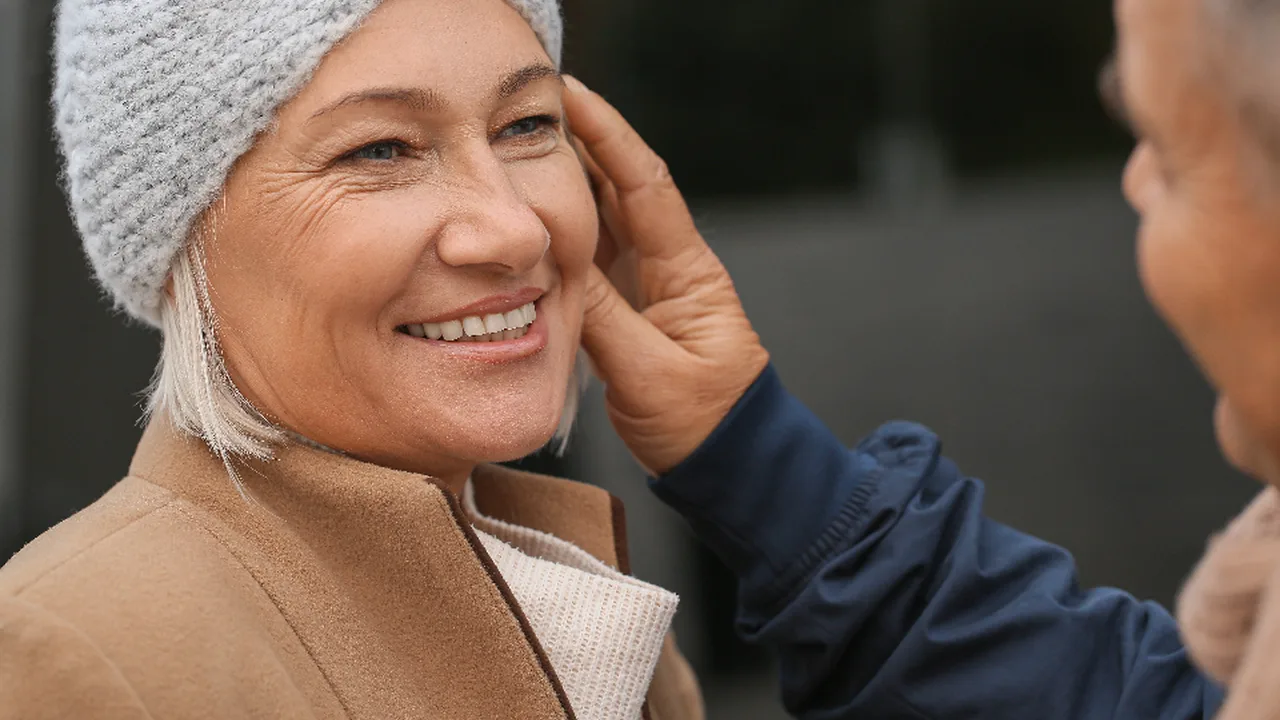
Knowing how to help elderly neighbours in winter can make a real difference on your street. Snow, ice and cold snaps make simple tasks harder for older adults, and a long winter can leave people who live alone feeling isolated.
At Friendship House in Brantford, we know how much a friendly face and a hot meal can mean to older neighbours. This guide shares simple, practical ways to help, without taking over or making anyone feel like a burden.
Quick answer
How can I help elderly neighbours in winter?
Check in regularly, especially on very cold days, with a knock on the door or a phone call. Offer to clear snow and salt their steps, pick up groceries or prescriptions, and give rides to appointments. Make sure their home is warm, watch for signs of cold-related illness, and invite them to share a meal or a cup of tea so winter is less lonely.
Why winter is harder for older adults
Older adults can be more sensitive to cold, and some health conditions and medicines make it harder for the body to stay warm. Icy steps and sidewalks raise the risk of a fall, and a fall in winter can be serious.
Winter can also be lonely. When it is too cold or slippery to go out, days can pass without a conversation, especially for people who live alone or no longer drive.
| Challenge | What it can look like | How you can help |
|---|---|---|
| Snow and ice | Snow-covered walks, icy steps | Shovel and salt, or arrange help |
| Cold homes | Heat turned down to save money, drafts | Check the temperature, share warming tips |
| Getting groceries | Skipping trips to the store | Pick up groceries or shop together |
| Loneliness | Few visitors, long quiet days | Visit, call or invite them out |
| Appointments | No way to get to the doctor or pharmacy | Offer a ride or help arrange one |

Start with a friendly check-in
If you do not already know your older neighbours, introduce yourself. Share your name and phone number, and ask if they would like you to check on them during bad weather.
Agree on a simple signal, such as opening the curtains each morning, or a quick daily phone call. On very cold or stormy days, a knock on the door can catch a problem early.
Clear the way
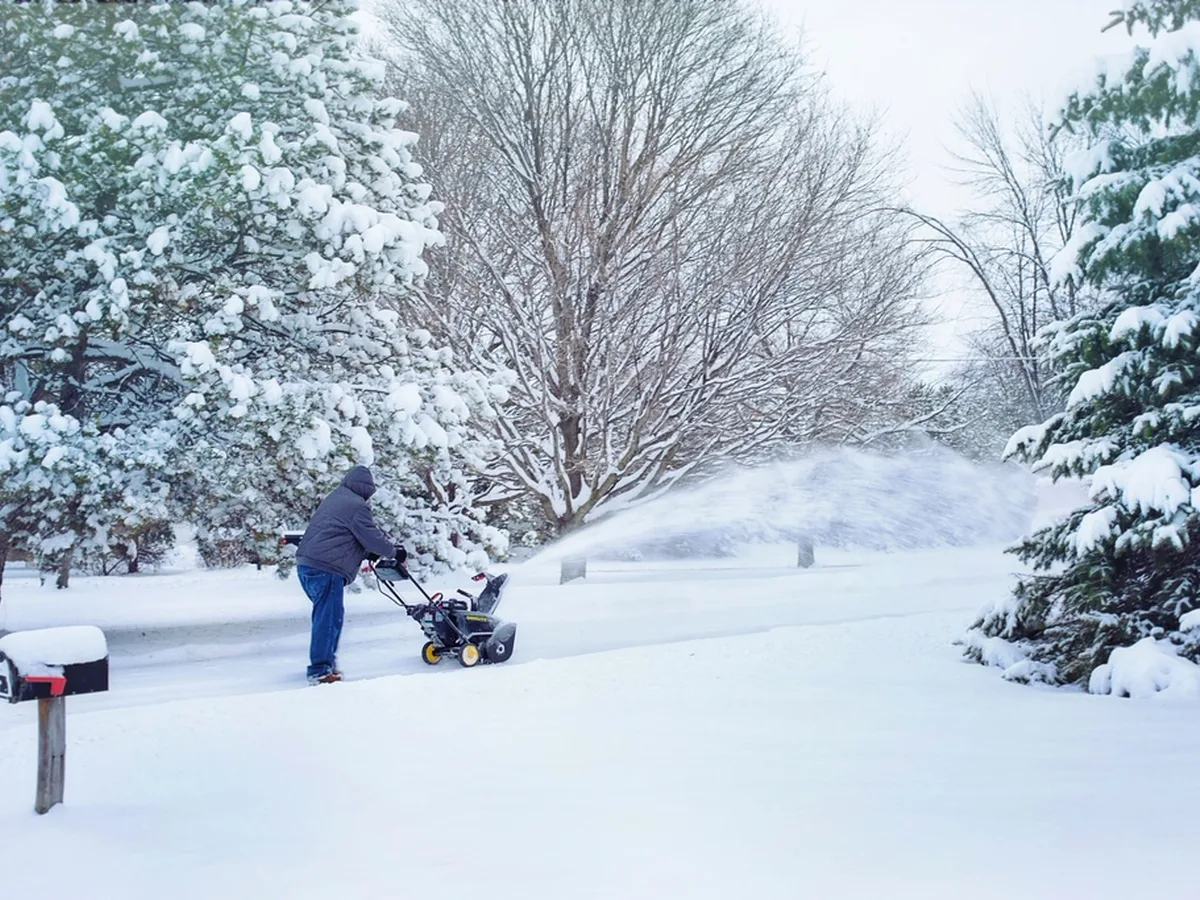
Snow and ice are one of the biggest winter risks for older adults. Offer to shovel the driveway, walkway and steps, and spread salt or sand on icy spots.
- Clear a path to the mailbox and garbage bins, too.
- Check that outdoor lights work, so steps are visible after dark.
- Make sure house numbers are clear of snow in case emergency services need to find the home.
- If you cannot shovel yourself, ask family members, teens on the street or a neighbourhood group to help.
Help with groceries and errands
A winter grocery run is much harder with a cane, a walker or no car. Offer to pick up groceries, prescriptions or mail, or to go together when the sidewalks are clear.
Help them keep a small supply of easy-to-make foods, such as soup, oatmeal, canned fish and frozen vegetables, in case a storm keeps everyone inside for a few days.
Keep their home warm and safe
Some older adults turn the heat down to save money. Gently check that their home feels warm enough, and share simple ways to keep heat in, like closing curtains at night and blocking drafts under doors.
- Make sure smoke alarms and carbon monoxide alarms are working.
- Remind them never to heat the home with a stove or oven.
- Keep space heaters at least one metre from anything that can burn.
- Keep a flashlight, extra blankets and a phone charger handy for power outages.
Our guide on how to stay warm in winter on a budget (opens in a new tab) has more tips you can share.
Watch for signs of cold-related illness
Hypothermia can develop slowly, especially indoors in a cold home. Watch for shivering, confusion, slurred speech, unusual sleepiness or cold, pale skin.
If you notice these signs, help the person get warm with blankets and warm drinks, and call 9-1-1 if they are confused, very drowsy or not responding normally.
In Brantford, Grand Erie Public Health issues a Cold Weather Notification when temperatures are expected to drop below -15°C without wind chill, or -20°C with wind chill. Those are good days to check in. The City of Brantford’s extreme cold page (opens in a new tab) lists warm public places.
Offer company
For many older adults, the hardest part of winter is the loneliness. A cup of tea, a game of cards or a short visit can brighten a whole week.
- Invite them for a coffee or a meal at your home.
- Call regularly, even just to chat for a few minutes.
- Bring a magazine, a library book or a puzzle.
- Ask about their life; many older neighbours have wonderful stories.
Our guide to ways to cope with loneliness (opens in a new tab) explains why connection matters so much.

Share a meal at Friendship House
Friendship House at 452 Grey Street is a warm place for older neighbours to start the day with company. Coffee, tea and a light breakfast are served from 8 a.m., and a hot meal is served Monday to Thursday, 10 to 11 a.m., free for everyone. See our free meals in Brantford (opens in a new tab) page for details.
Offer to bring a neighbour along, or to drive them there on a cold morning. Read more in our guide to free meals for seniors in Brantford (opens in a new tab).
Respect their independence
Helping should never feel like taking over. Ask before you do things, offer choices, and let your neighbour decide what help they want.
If they say no, accept it kindly and leave the door open: “If you ever need anything, here is my number.” Keep checking in from time to time.

When you are worried
If you are concerned that an older neighbour cannot manage on their own, talk to them first, and with their permission, to their family. Dial 2-1-1 to find local services for older adults, such as meal delivery and home support.
In an emergency, call 9-1-1. Our guide on how to help someone in need in Brantford (opens in a new tab) has more advice on starting a caring conversation.
Frequently asked questions
How can I help my elderly neighbour in winter?
Check in regularly, clear snow and ice, help with groceries and errands, make sure their home is warm and invite them to share a meal or a visit.
How often should I check on an older neighbour in cold weather?
A daily check-in by phone or a quick knock on the door is a good habit during cold weather notifications and storms.
What are the signs of hypothermia in older adults?
Watch for shivering, confusion, slurred speech, unusual sleepiness and cold, pale skin. Call 9-1-1 if someone is confused or not responding normally.
Where can older adults get a free hot meal in Brantford?
Friendship House, 452 Grey Street, serves a free hot meal Monday to Thursday, 10 to 11 a.m., and a light breakfast from 8 a.m.
Who can help if my neighbour needs more support at home?
Dial 2-1-1 for information about local services for older adults, such as meal delivery and home support.
A good neighbour can make winter safer and warmer for everyone on the street. Start with one knock on the door this week; it may be the start of a friendship.