
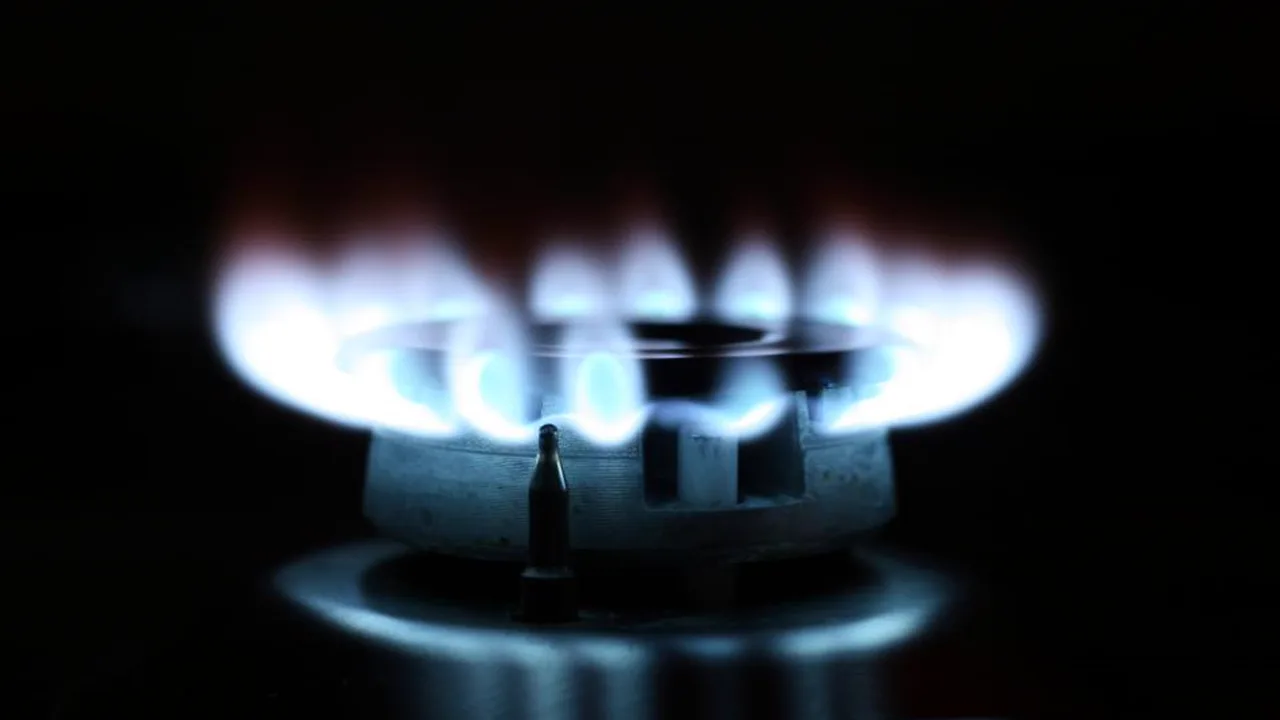
These carbon monoxide safety tips can protect your household during the months when furnaces, fireplaces and stoves work hardest. Carbon monoxide, often called CO, is a gas you cannot see, smell or taste, and it can make people very sick or even kill.
At Friendship House in Brantford, we want every guest and neighbour to get through winter warm and safe. This guide explains where carbon monoxide comes from, the warning signs and the simple steps that prevent poisoning.
Quick answer
How do I keep my home safe from carbon monoxide?
Install certified carbon monoxide alarms near bedrooms and on every storey, and test them regularly. Have your furnace checked every year and keep chimneys, stoves and fireplaces maintained. Never idle a vehicle or run fuel-powered equipment in a garage, and never use a barbecue, camp stove or generator indoors. If the alarm sounds, get everyone outside and call 9-1-1.
What carbon monoxide is and where it comes from
Carbon monoxide is made whenever fuel burns. Health Canada’s carbon monoxide infographic (opens in a new tab) lists common sources in and around the home.
- Furnaces and other heating equipment
- Fireplaces and wood or pellet stoves
- Gas stoves and gas dryers
- Vehicles, especially in an attached garage
- Generators, barbecues and camping stoves
- Small engines, like lawnmowers and snowblowers
When these are working properly and vented outside, they are safe. Problems start when a vent is blocked, an appliance is not working right, or fuel is burned in a closed space.

Know the warning signs
Because you cannot sense carbon monoxide, symptoms are often the first clue. Health Canada says mild exposure can cause tiredness, headaches and shortness of breath. Severe exposure can lead to unconsciousness, coma and death.
The early signs are easy to mistake for the flu. Be suspicious if several people or pets in the home feel sick at the same time, or if you feel better after leaving the house.
| Clue | Flu more likely | Carbon monoxide more likely |
|---|---|---|
| Fever | Often | Not usually |
| Several people sick at once | Sometimes | Common |
| Pets acting sick or sleepy | Rare | Possible |
| Better away from home | No | Often |
| Worse when the heat is running | No | Often |
This table is only a guide, not a diagnosis. If you suspect carbon monoxide, leave the house first and ask questions later.
Install carbon monoxide alarms
A working alarm is your best protection. Health Canada recommends a certified carbon monoxide alarm near bedrooms.
In Ontario, the rules got stronger this year. The City of Brantford’s fire department explains that, as of January 1, 2026, homes with fuel-burning appliances, a fireplace or an attached garage need a CO alarm next to every sleeping area and on every storey, even storeys without bedrooms.
- Choose an alarm with a recognized certification mark, such as CSA, ULC or ETL.
- Install it following the manufacturer’s instructions.
- Test alarms regularly and replace batteries as the instructions say.
- Replace alarms when they reach the end of their life; many have a date on the back.
Questions about the rules can go to Brantford Fire at 519-752-0540. If you rent, your landlord is responsible for alarms, so speak up if one is missing or not working.

Keep heating equipment in good shape
Most carbon monoxide problems start with equipment that needs attention. Health Canada recommends having your furnace checked every year, cleaning your chimney, and maintaining stoves and fireplaces.
Between checkups, keep an eye out for warning signs. A yellow or flickering flame on a gas appliance, soot around a fireplace, or a lot of moisture on windows can mean something is not venting properly.

- Keep outside vents for the furnace, dryer and water heater clear of snow and ice.
- Open the fireplace damper before lighting a fire, and leave it open until the ashes are cold.
- Never use a gas stove or oven to heat your home.
Garages, vehicles and generators
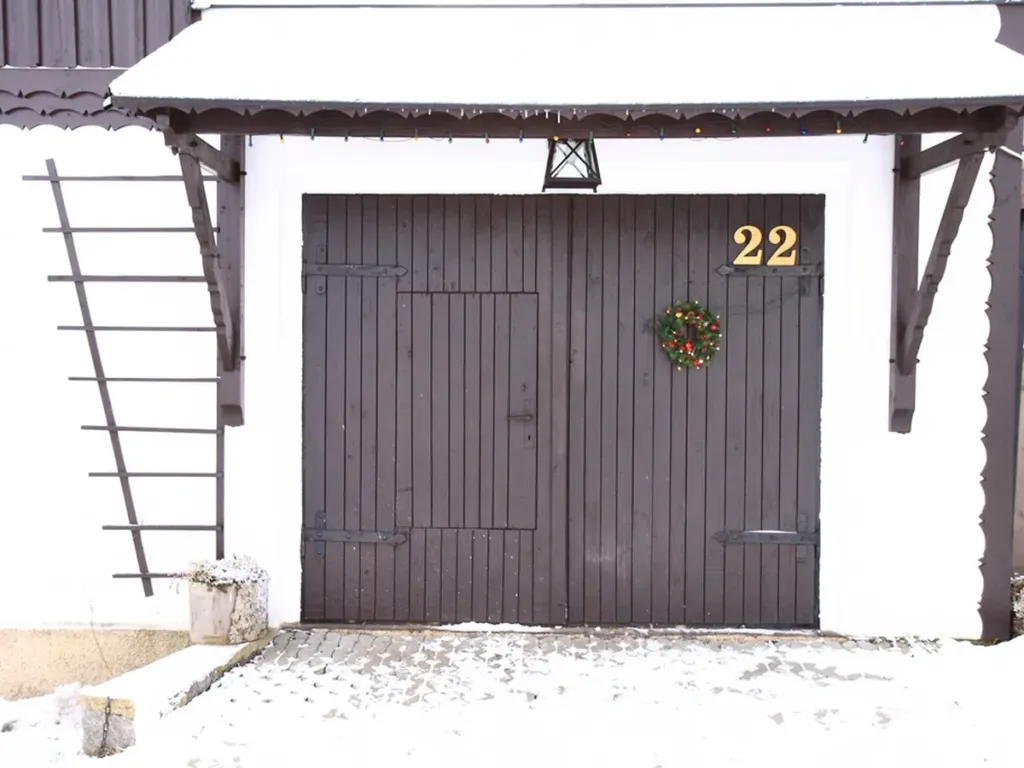
Vehicles are a major source of carbon monoxide. Health Canada advises never letting a vehicle idle or running fuel-powered equipment in an attached garage, even with the door open.
Warming up the car on a cold morning? Back it out of the garage first. After a snowstorm, clear snow away from the tailpipe before starting the engine.
During a power outage, keep generators outdoors, well away from the house and away from windows and doors. Never bring a barbecue, camp stove or generator into a home, garage or shed. Our guide on how to prepare for a power outage (opens in a new tab) covers safe ways to stay warm without power.

If the alarm goes off
Take every carbon monoxide alarm seriously. Health Canada’s advice is clear.
- Get everyone, including pets, out of the building right away.
- Call 9-1-1 from outside.
- Do not go back inside until emergency responders say it is safe.
Do not open windows and stay inside to “air it out,” and do not try to find the source yourself. If anyone has symptoms, tell the responders so they can get medical help.
A quick winter checklist
Run through this short list at the start of the heating season, and again after any big storm.
- Press the test button on every carbon monoxide alarm.
- Book the yearly furnace check if it is not done yet.
- Clear snow and ice from furnace, dryer and water heater vents outside.
- Clear snow away from the car’s tailpipe before starting it.
- Make sure the fireplace damper opens and closes properly.
- Keep generators, barbecues and camp stoves outside, away from doors and windows.
Look out for each other
Health Canada notes that anyone can be affected by carbon monoxide, and people who live alone may have no one nearby to notice the signs. Ask older neighbours whether they have working alarms, and offer to help test or install one.
For more ways to help this winter, see how to help elderly neighbours in winter (opens in a new tab) and how to stay warm in winter on a budget (opens in a new tab).
Frequently asked questions
What are the first signs of carbon monoxide poisoning?
Health Canada lists tiredness, headaches and shortness of breath as mild symptoms. They can feel like the flu, so be suspicious if several people feel sick at home at the same time.
Where should carbon monoxide alarms go?
In Ontario, homes with fuel-burning appliances, a fireplace or an attached garage need a CO alarm next to every sleeping area and on every storey, as of January 1, 2026.
What should I do if my carbon monoxide alarm goes off?
Get everyone outside right away, call 9-1-1 from outside, and do not go back in until responders say it is safe.
Can I warm up my car in the garage?
No. Never let a vehicle idle in a garage, even with the door open. Back it out first and clear snow from the tailpipe.
How often should my furnace be checked?
Health Canada recommends having your furnace checked every year, along with keeping chimneys, stoves and fireplaces maintained.
A tested alarm and a yearly furnace check are small steps that save lives. Friendship House at 452 Grey Street offers free meals in Brantford (opens in a new tab) and other free services for everyone (opens in a new tab), so stop in for a warm breakfast this winter.