
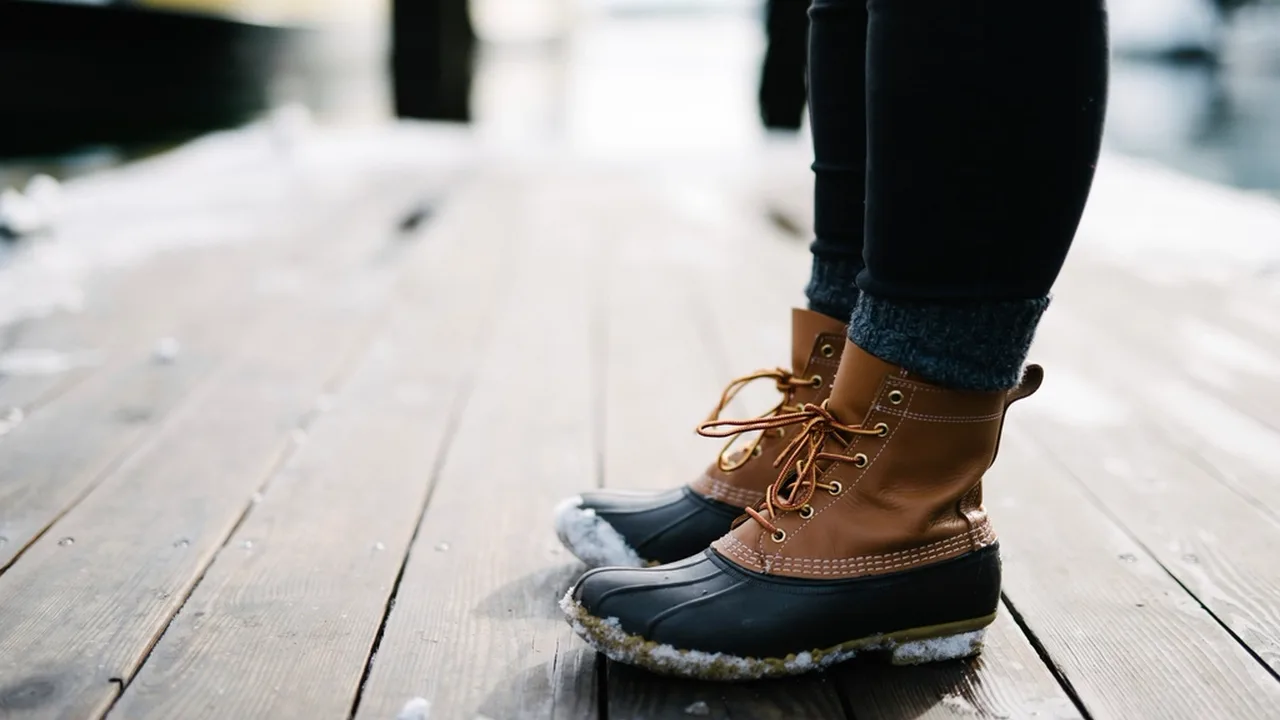
Knowing how to prevent falls on ice can save you from a painful injury this winter. Freezing rain, packed snow and black ice make sidewalks, steps and parking lots slippery, and a single fall can mean weeks of recovery, especially for older adults.
At Friendship House in Brantford, many of our guests walk to us through the winter, and we care about everyone arriving safely. This guide covers simple ways to stay on your feet outdoors and indoors, and how to help neighbours who are at higher risk.
Quick answer
How can I prevent falls on ice?
Wear boots with deep, slip-resistant treads, and consider ice grips for very slippery days. Walk like a penguin: take short, flat-footed steps with your feet slightly apart, keep your hands out of your pockets and carry bags in a backpack. Clear and salt or sand your steps and walkways, use handrails, slow down, and build strength and balance with regular exercise.
Why falls on ice are so serious
Anyone can slip on ice, but falls are especially dangerous as we age. The injury prevention organization Parachute says falls are the number one reason for injury-related death, hospitalization and emergency department visits among older adults in Canada.
The good news is that many falls can be prevented. Parachute’s fall prevention for seniors page (opens in a new tab) recommends building strength and balance, checking your home for hazards, wearing sturdy shoes, reviewing medicines with a pharmacist or doctor, and getting your eyes and hearing checked regularly.
Choose the right footwear
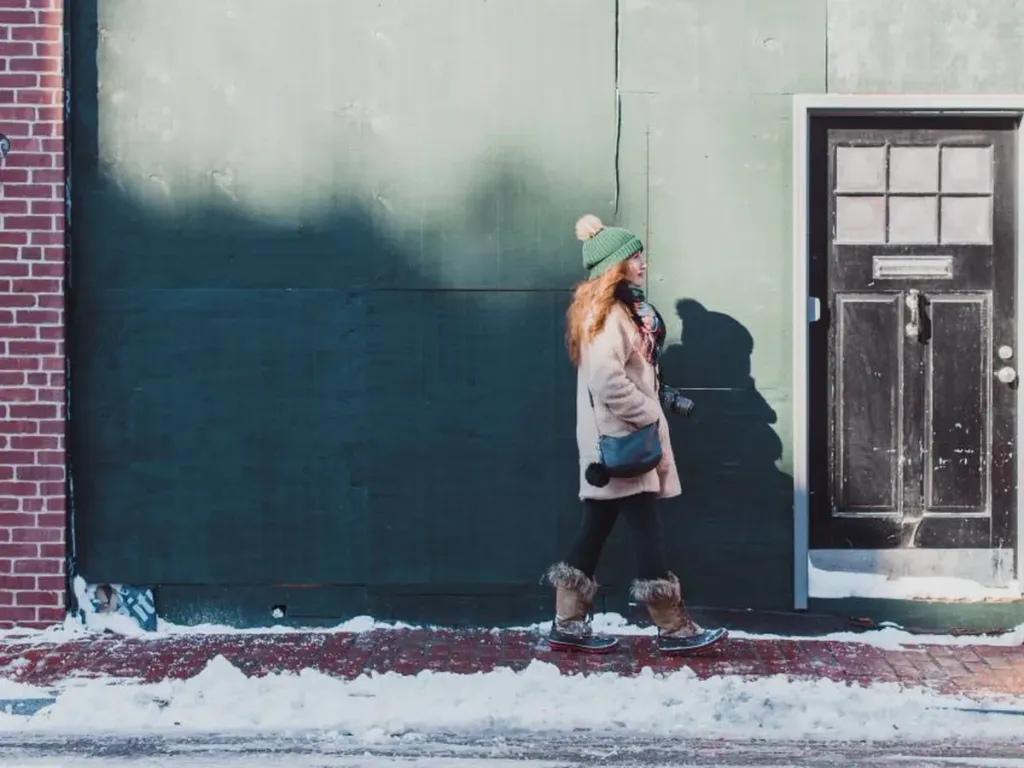
Your boots are your first line of defence. Look for winter boots with a thick, deeply treaded rubber sole and a low, wide heel.
- Avoid smooth soles, high heels and worn-out treads.
- Make sure boots fit well and are laced or fastened snugly.
- On very icy days, add removable ice grips or cleats, and take them off before walking on smooth indoor floors.
- If you use a cane, ask about an ice tip for the bottom.
If you need warm, sturdy boots, our Clothing Closet (opens in a new tab) offers free adult, children’s and baby clothing, Tuesday to Thursday, 10 to 11:30 a.m.; what we have depends on donations.
Walk like a penguin
Changing the way you walk is one of the easiest ways to stay upright. On icy ground, think like a penguin.
| Regular walking | Penguin walking on ice |
|---|---|
| Long strides | Short, shuffling steps |
| Heel strikes first | Whole foot lands flat |
| Upright posture | Lean slightly forward, knees soft |
| Hands in pockets | Arms out for balance |
| Walking quickly | Slow and steady |
Keep your hands free by carrying a backpack or crossbody bag instead of grocery bags in each hand. Assume any wet-looking or shiny surface is icy.
Clear and treat your walkways
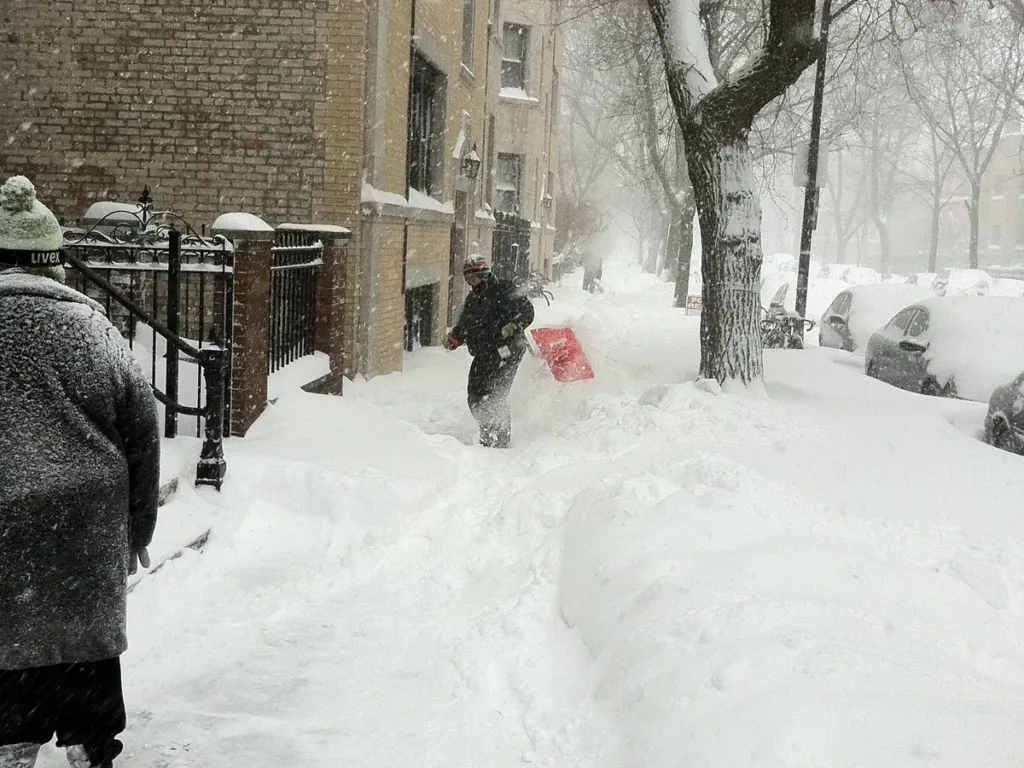
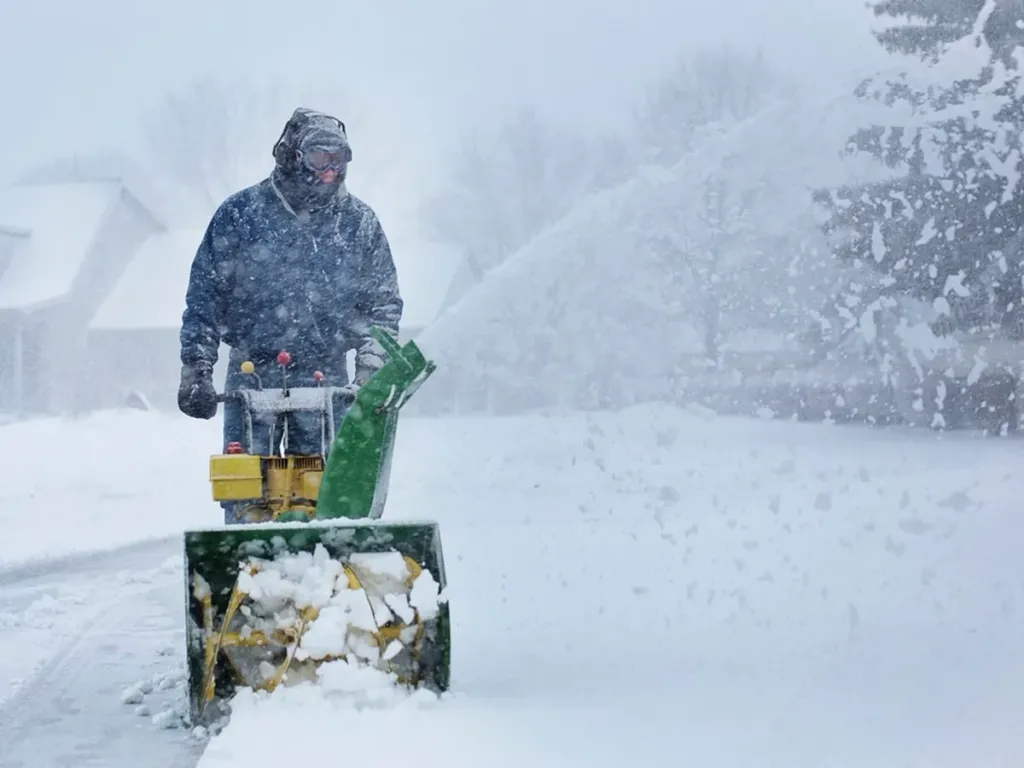
Clearing snow early, before it is packed down, makes ice much less likely. Shovel your steps, walkway and the path to the mailbox and garbage bins.
- Spread salt or sand on icy spots, especially steps and slopes.
- Keep a small bucket of sand or salt by the door for quick touch-ups.
- Make sure outdoor lights work so you can see ice after dark.
- Fix loose or broken handrails before winter.
If shovelling is hard for you, ask a neighbour, family member or local teen for help. Our guide on how to help elderly neighbours in winter (opens in a new tab) explains how neighbours can pitch in.
Take extra care in tricky spots
Some places are especially slippery. Slow down and take extra care in these spots.
| Spot | Why it is risky | What to do |
|---|---|---|
| Steps and stairs | Ice forms on edges | Use the handrail and take one step at a time |
| Getting in and out of cars | Feet slide on icy pavement | Hold the door frame and swing both legs out together |
| Parking lots | Black ice is hard to see | Walk slowly and stay on cleared paths |
| Curbs and ramps | Slush freezes in low spots | Step down carefully, testing with one foot |
| Building entrances | Melted snow on smooth floors | Wipe boots well on the mat |
Prevent falls indoors too
Winter falls do not only happen outside. Melting snow can leave puddles at the door, and dark evenings make it harder to see.
- Use a non-slip mat inside the door and wipe up puddles quickly.
- Keep a chair near the door for taking boots off safely.
- Turn on lights before walking, and use night lights in halls and bathrooms.
- Remove loose rugs and clutter from walkways.
Build strength and balance
Strong legs and good balance help you catch yourself if you slip. Parachute encourages older adults to challenge their balance and build strength through regular exercise.
Simple activities like walking indoors, chair exercises, stretching and gentle balance practice can help. Talk to your doctor before starting something new, and ask your pharmacist whether any of your medicines can cause dizziness.
Plan ahead on icy days
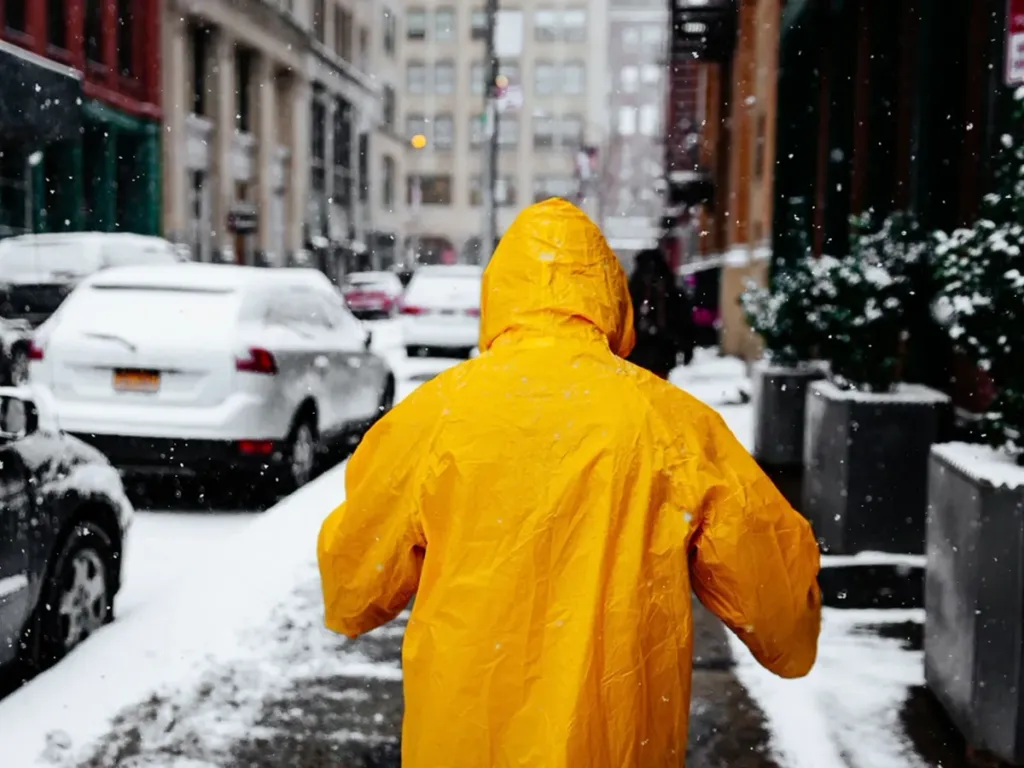
On the worst days, the safest choice may be to stay home. Check the weather before going out, and give yourself extra time so you are not rushing.
- Carry a charged phone in case you need help.
- Let someone know where you are going if you live alone.
- Ask a friend to pick up groceries or medicines on very icy days.
- Wait until sidewalks are cleared if you can.
If you do fall
Stay calm and check yourself for injuries before trying to move. If you are hurt, cannot get up, or hit your head, call for help or dial 9-1-1.
If you are not hurt, roll onto your side, get onto your hands and knees and use something sturdy to help you stand up slowly. After any fall, tell your doctor, even if you feel fine.
A warm, safe place to start the day
Friendship House, 452 Grey Street, serves coffee, tea and a light breakfast from 8 a.m., and a hot meal Monday to Thursday, 10 to 11 a.m., free for everyone. On icy mornings, take your time; our door is open and the coffee will be hot.
For more winter safety ideas, see our guides on how to stay warm in winter on a budget (opens in a new tab) and how to prepare for a power outage (opens in a new tab), and see all of our free services at Friendship House (opens in a new tab).
Frequently asked questions
What is the best way to walk on ice?
Walk like a penguin: take short, flat-footed steps, keep your knees soft, lean slightly forward and keep your arms free for balance.
What boots are best for preventing falls on ice?
Boots with thick, deeply treaded rubber soles and a low, wide heel. Add removable ice grips on very slippery days.
How can older adults prevent falls in winter?
Wear good boots, use handrails, clear and salt walkways, build strength and balance, review medicines with a pharmacist or doctor and ask for help on very icy days.
What should I do if I fall on ice?
Stay calm and check for injuries. If you are hurt, cannot get up or hit your head, call for help or dial 9-1-1. Tell your doctor about any fall.
How can I make my steps less slippery?
Shovel early, spread salt or sand on icy spots, keep outdoor lights working and fix loose handrails.
A few small habits can keep you safe all winter long. Check your boots, practise your penguin walk, and offer a hand to a neighbour on the next icy morning.