
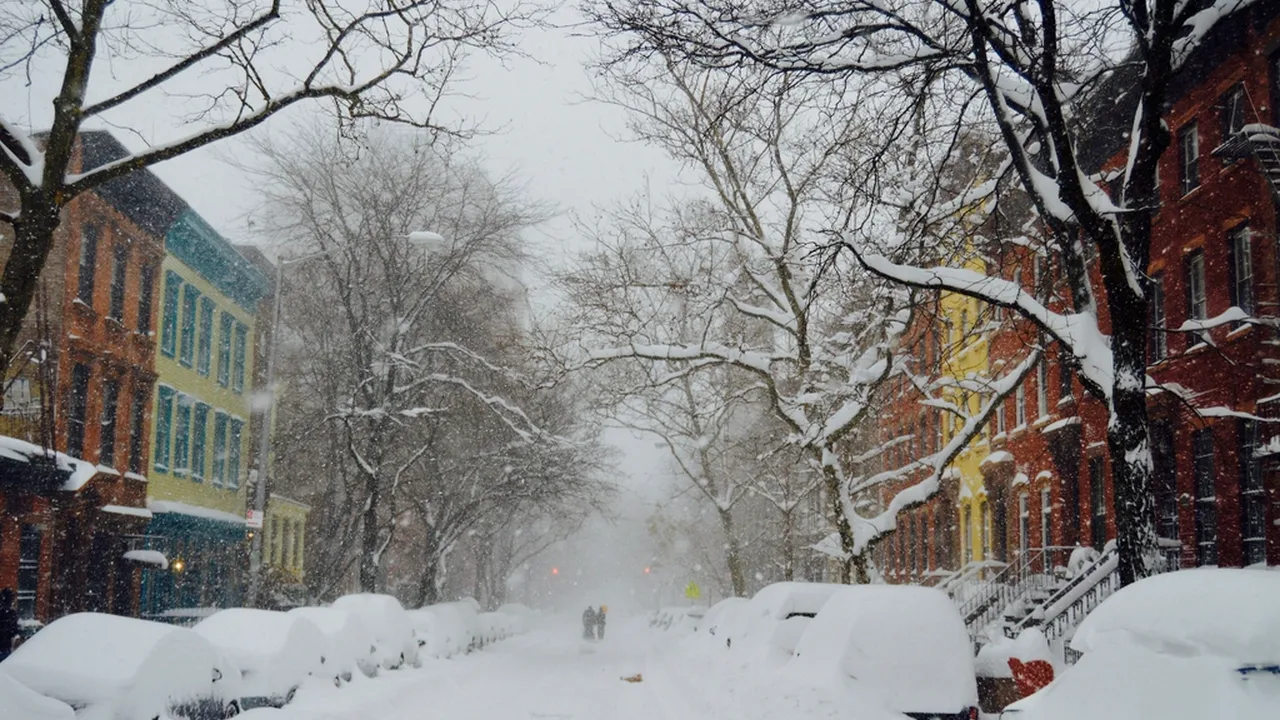
Brantford winters can turn dangerous quickly, especially on windy days. Knowing how to prevent frostbite and hypothermia can protect you, your family and neighbours who spend time outdoors.
At Friendship House in Brantford, we want everyone to stay safe through the cold months. This guide uses Health Canada’s advice to explain who is most at risk, how to dress and what to do if someone gets too cold.
Quick answer
How do I prevent frostbite?
Dress in layers, with wool or synthetic fabrics and a wind-resistant outer layer, and cover your hands, feet, ears and face. Watch the wind chill: Health Canada says the risk of frostbite rises at wind chill values below -27. Go inside to warm up often, and know the early signs, such as skin that looks yellowish or white.
Who is most at risk
Anyone can get frostbite or hypothermia, but Health Canada’s extreme cold page (opens in a new tab) lists people who face a higher risk:
- people experiencing homelessness
- outdoor workers
- seniors 65 years or older
- infants under 1 year
- winter sport enthusiasts
- people with health conditions such as diabetes, and people taking certain heart medicines called beta-blockers
If someone you know is in one of these groups, check on them during cold snaps. Our guide on how to help elderly neighbours in winter (opens in a new tab) has more ideas.

How to dress for the cold
Health Canada recommends clothing suited to the weather, with wool or synthetic fabrics for warmth.
- Dress in layers, so you can add or remove them as needed.
- Wear a wind-resistant outer layer.
- Cover your head, ears, face and neck with a hat and scarf.
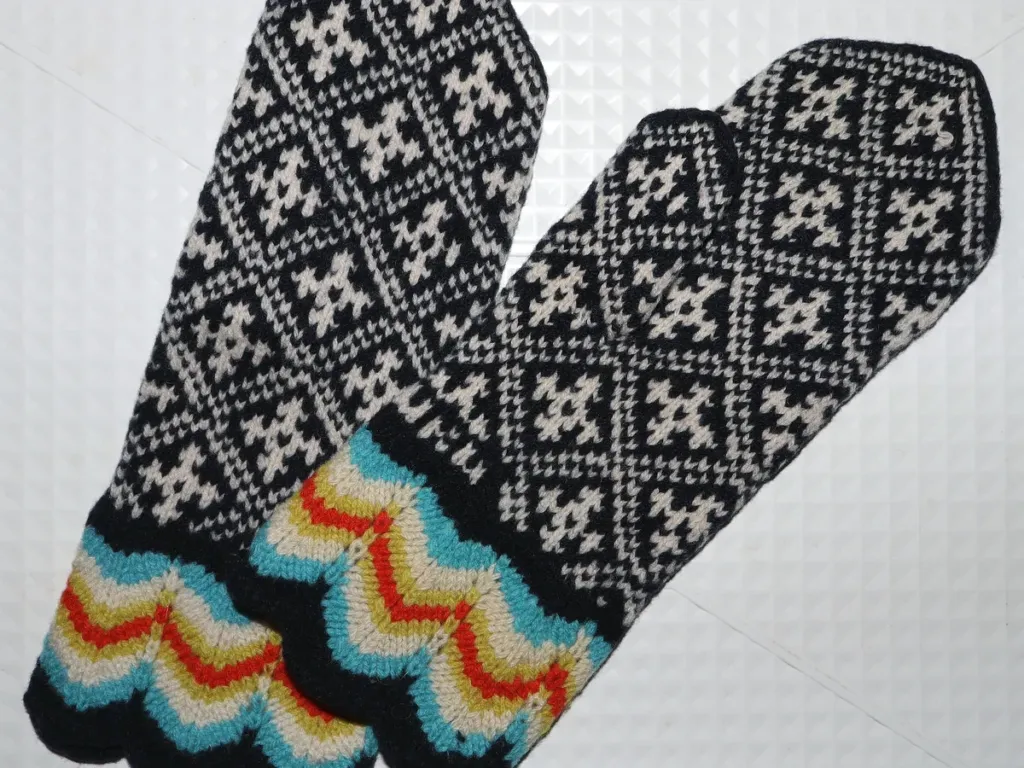
- Wear mittens or warm gloves, and warm, dry socks and boots.
- Change out of wet clothing as soon as you can.
If you need warm clothing, our Clothing Closet (opens in a new tab) offers free adult, children’s and baby clothing, Tuesday to Thursday, 10 to 11:30 a.m.; what we have depends on donations.

Wipe snow off boots and coats when you come inside, and dry wet clothing before you head out again. Damp clothing makes it much harder to stay warm.
Watch the wind chill
Wind makes cold air feel even colder and pulls heat from your skin faster. Health Canada says the risk of health effects such as windburn and frostbite increases at wind chill values below -27.
Check the forecast before you go out. On very cold, windy days, limit time outside and take breaks indoors to warm up.

Signs of frostbite
| Stage | What you may notice |
|---|---|
| Mild (frostnip) | Skin looks yellowish or white but is still soft |
| Severe | Skin becomes discoloured and turns black; the area can lose feeling and blister |
What to do for frostbite
- Move to a warm room, or wrap up in blankets.
- Thaw the area in water that is just above body temperature.
- Do not rub or massage the frozen skin.
- For severe frostbite, get medical help right away while you start warming.
Signs of hypothermia
Hypothermia happens when your body loses heat faster than it can make it. Health Canada describes three stages.
| Stage | What you may notice |
|---|---|
| Stage 1 | Shivering, goose bumps, numb hands |
| Stage 2 | Strong shivering, slow movements, blue lips, ears, fingers or toes |
| Stage 3 | Shivering stops; trouble speaking or walking; confused behaviour |
A simple check for stage 2: see if the person can touch their thumb to their little finger.

What to do for hypothermia
- In stage 1, find shelter, keep moving, warm up gradually and drink warm, sweet liquids. Do not fight shivering.
- In stage 2 or 3, call 9-1-1 right away.
- If the person is unconscious, lay them down and handle them gently.
Plan ahead on very cold days
A little planning keeps short trips safe. Before you head out on a very cold day, think about how long you will be outside and where you can stop to warm up along the way.
- Tell someone where you are going and when you expect to be back.
- Carry a charged phone.
- Keep a spare pair of dry socks and mittens in your bag.
- Plan your route past places where you can step inside, such as stores or libraries.
- Have a warm drink or a meal before you go.
Protect children and older adults
Health Canada names infants under 1 year and seniors 65 and older among the people at higher risk from the cold. Young children may not tell you they are cold, so check their hands, feet and ears often, and bring them inside if they are shivering.
If you have an older neighbour or relative, check in by phone during cold snaps, and offer to pick up groceries so they do not have to go out.
Keep your home warm and safe
Cold-weather risks are not only outdoors. Keep at least one room in your home warm, and never use a gas stove, oven or barbecue to heat your home. Our guides on carbon monoxide safety tips (opens in a new tab) and how to prevent frozen pipes (opens in a new tab) explain how to stay safe indoors.
Our guide on how to stay warm in winter on a budget (opens in a new tab) also has low-cost ways to keep your home and family warm when money is tight.
Help someone outside in the cold
If you see someone outside who seems confused, is shivering hard or cannot walk properly in the cold, do not walk past. Ask if they are okay, offer a warm drink if you can, and call 9-1-1 if they show signs of stage 2 or 3 hypothermia.
Our guides on how to make blessing bags (opens in a new tab) and how to stay warm in winter on a budget (opens in a new tab) have more ways to help.

Cold weather and pets
If you walk a dog in winter, keep walks short on very cold, windy days. Wipe paws after walks to remove ice and salt, and bring pets inside when the temperature drops.
A warm place to start the day
Friendship House at 452 Grey Street serves coffee, tea and a light breakfast from 8 a.m. and a hot meal Monday to Thursday, 10 to 11 a.m. Everything is free and open to everyone.
Frequently asked questions
How can I prevent frostbite?
Dress in layers with a wind-resistant outer layer, cover your hands, feet, ears and face, and limit time outside when the wind chill is very low.
At what wind chill does frostbite risk go up?
Health Canada says the risk of frostbite rises at wind chill values below -27.
What are the first signs of frostbite?
Mild frostbite makes skin look yellowish or white, but it is still soft to the touch.
Should I rub frostbitten skin?
No. Thaw it in water just above body temperature, and do not rub or massage it.
When should I call 9-1-1 for hypothermia?
Call 9-1-1 for stage 2 or 3 hypothermia, such as strong shivering, slow movements, blue lips, or when shivering stops and the person is confused.
A few simple habits keep winter safe. Dress for the weather, watch the wind chill, look out for others, and visit our free services at Friendship House (opens in a new tab) for a warm meal.