
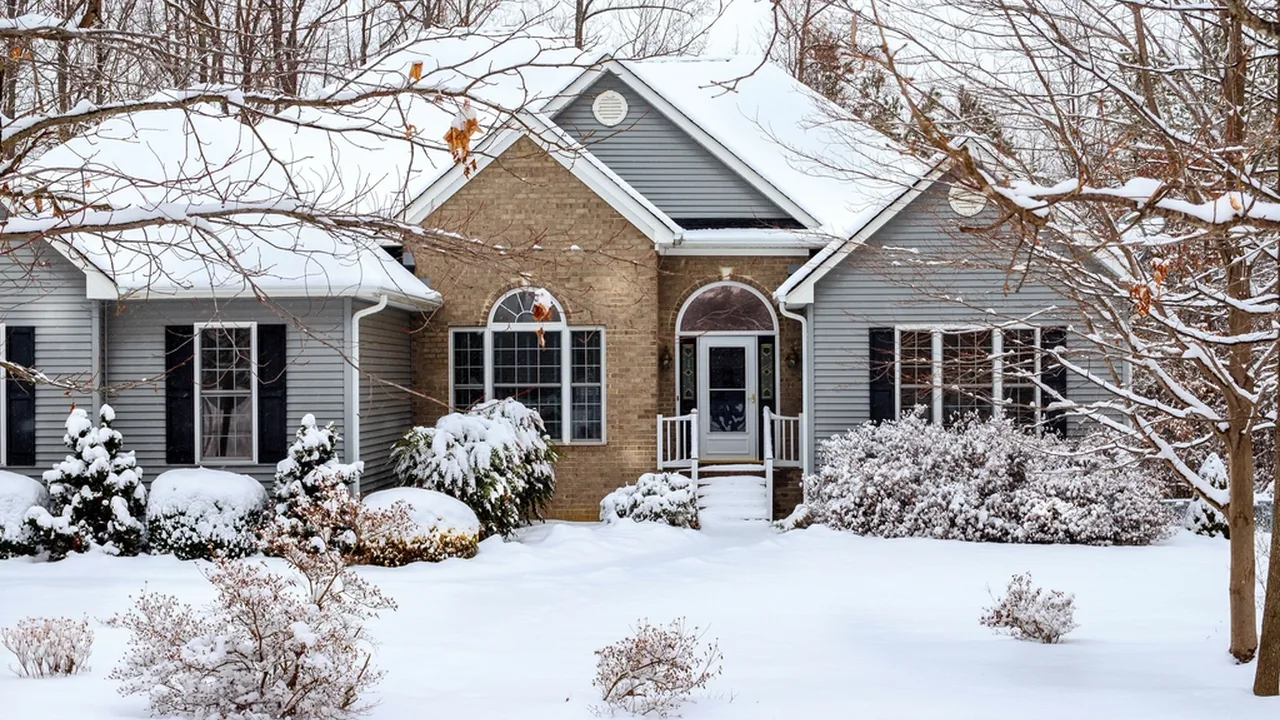
Learning how to prevent frozen pipes before the first deep freeze can save you from a cold morning with no water, or a burst pipe and a flooded basement. Water expands as it freezes, and the pressure can crack a pipe or loosen a joint.
At Friendship House in Brantford, we know a surprise repair bill can wreck a tight budget. This guide pulls together simple, low-cost steps from the City of Brantford, plus what to do if your pipes freeze anyway.
Quick answer
How do I prevent frozen pipes?
Keep the room where your water service enters the house at 12°C or warmer, even when you are away. Insulate pipes on outside walls and in cold spaces, seal drafts, open sink cabinet doors so warm air reaches the pipes, and drain outdoor taps and hoses. During extreme cold, let a tap run at a thin, pencil-width trickle.
Why pipes freeze
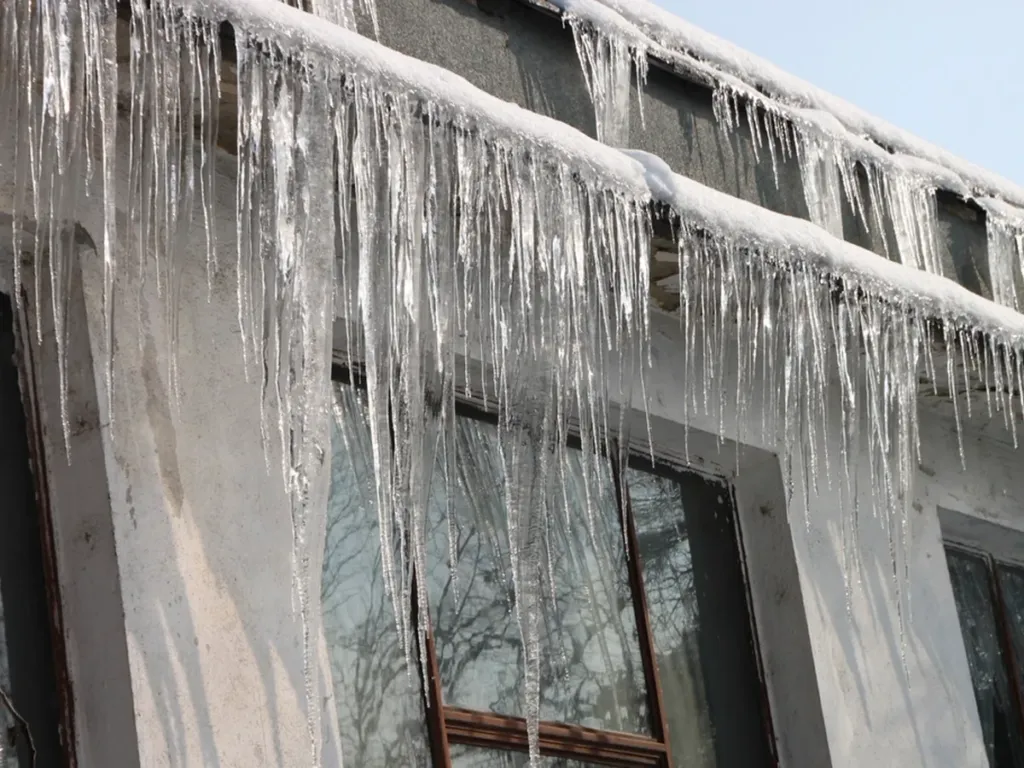
Pipes freeze when cold air reaches them for long enough. The usual trouble spots are pipes along outside walls, in crawl spaces, basements, attics and garages, and under sinks on outside walls.
Drafts make it worse. A small gap around a window, a dryer vent or a hole where a cable enters the house can blow freezing air right onto a water line.
Keep the heat on where the pipes are
The City of Brantford’s frozen pipes page (opens in a new tab) recommends keeping the room where your water service enters the home at 12°C or warmer. That includes times when you are away for a weekend or a holiday visit.
Turning the heat down at night to save money is fine for most of the house. Just make sure the basement or utility room does not get much colder than the rest.
- Open kitchen, bathroom and laundry cabinet doors on very cold nights so warm air can reach the pipes.
- Move cleaning products out of open cabinets first if you have children or pets.
- Keep garage doors closed if water lines run through the garage.
Insulate and seal the cold spots
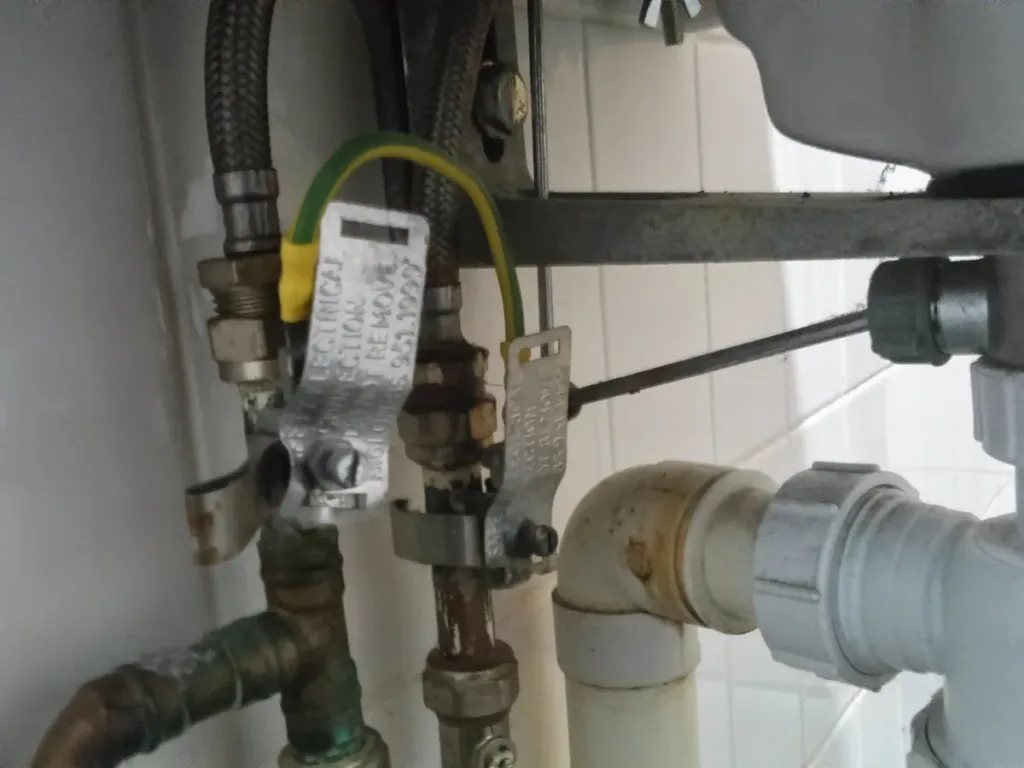
Foam pipe sleeves are cheap and easy to slip over exposed pipes. Focus on pipes along outside walls and in unheated spaces like crawl spaces, storage rooms and garages.
Next, look for drafts. Seal air leaks with caulking or weatherstripping, and fix cracked or broken windows near pipes.
| Step | Cost | Best for |
|---|---|---|
| Keep the room at 12°C or warmer | Your usual heating | Every home |
| Open sink cabinet doors | Free | Sinks on outside walls |
| Foam pipe sleeves | Low | Exposed pipes in cold spaces |
| Seal drafts and fix broken windows | Low | Basements and crawl spaces |
| Let a tap trickle | Can raise your water bill | Extreme cold, or pipes that froze before |
Drain outdoor taps and hoses
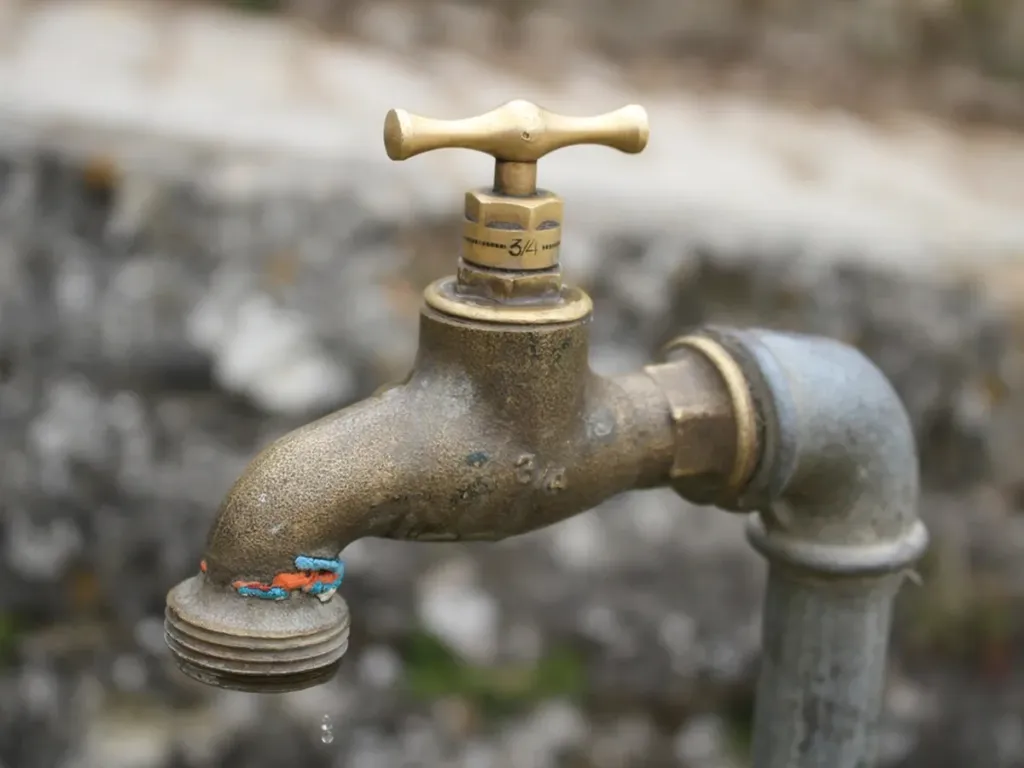
Outdoor taps freeze first. Before the cold sets in, disconnect garden hoses, drain them and store them inside.
If your outdoor tap has a shut-off valve inside the house, close it, then open the outside tap to let the water drain out. Leave it open over the winter.
Let a tap trickle in extreme cold
During a deep cold snap, the City suggests letting a tap run at a thin, pencil-width stream. Moving water is much harder to freeze.
This works, but it can raise your water bill. Keeping the area warm is usually the cheaper choice, so save the trickle for the coldest nights or for pipes that have frozen before.
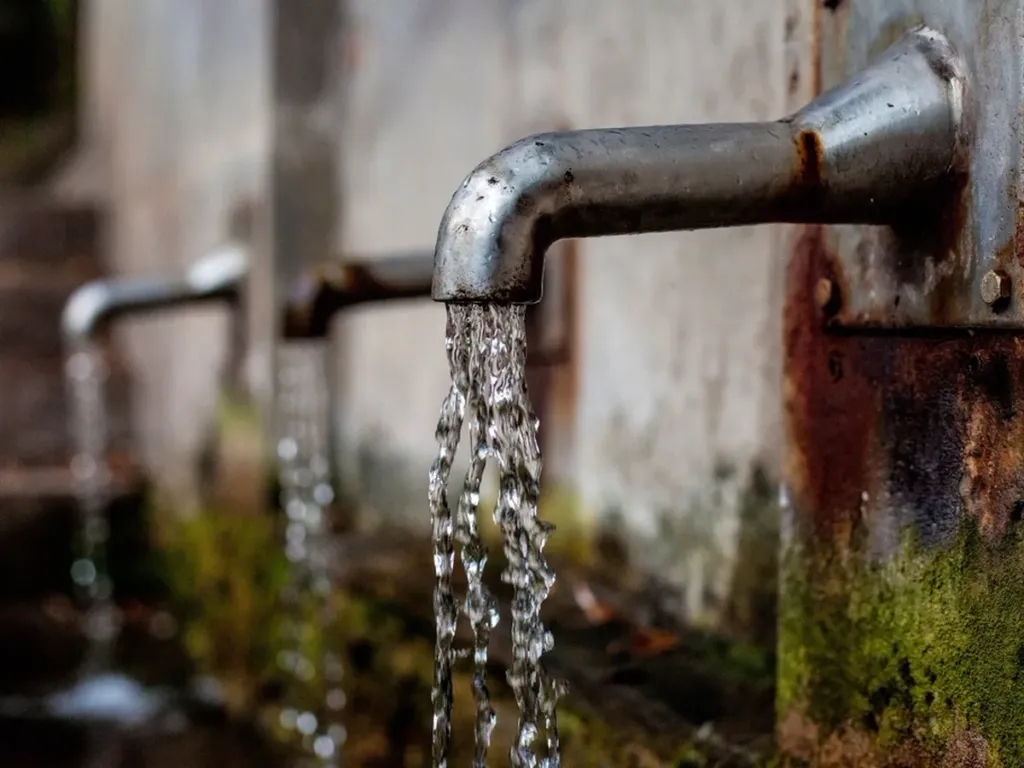
Know where your shut-off valve is
Every household should know where its main water shut-off valve is. In most homes it is near the water meter, usually in the basement.
If a pipe bursts, turning off that valve quickly can stop the flooding. If you are going away for a long time in winter, the City suggests closing the main valve and draining your plumbing.
If your pipes freeze
If you turn on a tap and get only a trickle or nothing at all, a pipe may be frozen. Act early, and stay safe.
- Find your main shut-off valve in case the pipe has cracked.
- Open a basement tap, ideally the cold laundry tap, so water can flow once the ice melts.
- Warm the pipe gently with a hair dryer, space heater, heating pad or electric blanket.
- Keep electrical devices away from standing water and anything that can burn.
- Keep warming until the water flows steadily. This can take one to six hours or more.
Never use an open flame, such as a torch, to thaw a pipe. The City warns it can burst the pipe, separate joints or start a fire.
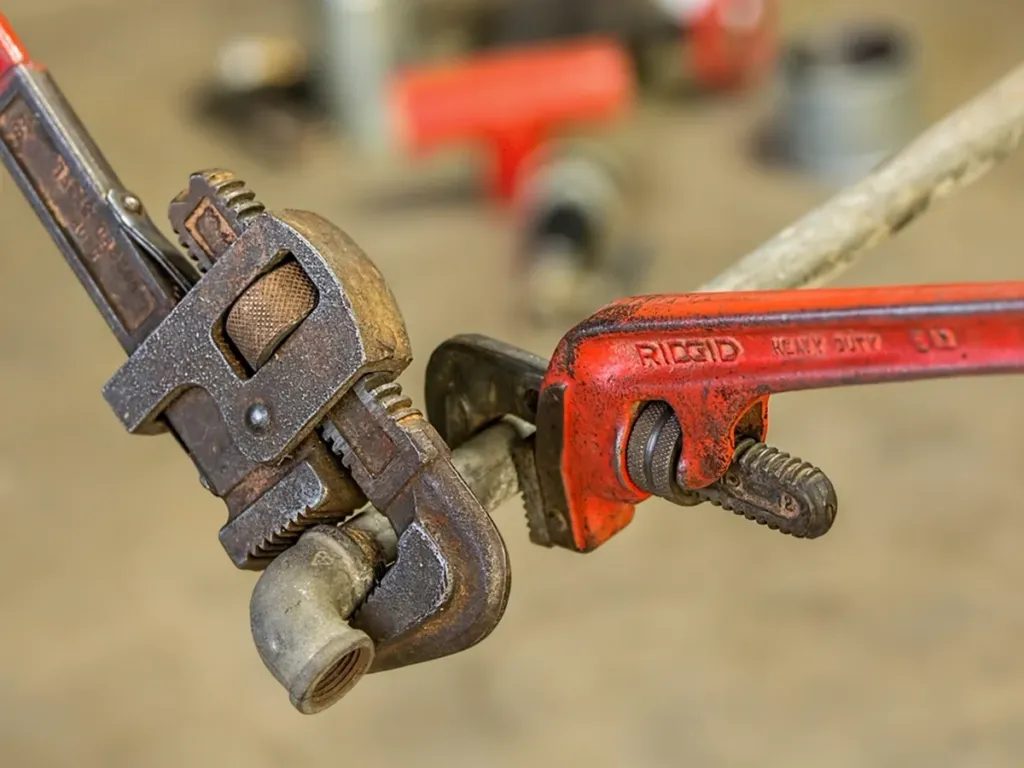
Who to call in Brantford
If you have tried to thaw your pipes for up to 24 hours and still have no water, call the City of Brantford at 519-756-1360. Staff can find where the freeze is and tell you whether it is on the City side or your side.
The City also asks you to call that number if your water service has frozen before, or if you notice rusty or cloudy water or unusually low pressure. Leaks inside your home are the homeowner’s job to repair, so hire a licensed plumber for those. If you rent, tell your landlord right away.
Help a neighbour stay warm and dry
Older neighbours and people living alone may not notice a frozen pipe until there is damage. A quick knock on the door during a cold snap can make a real difference.
Our guide on how to help elderly neighbours in winter (opens in a new tab) has more ideas. For more cold-weather tips, see how to stay warm in winter on a budget (opens in a new tab) and how to prepare for a power outage (opens in a new tab).
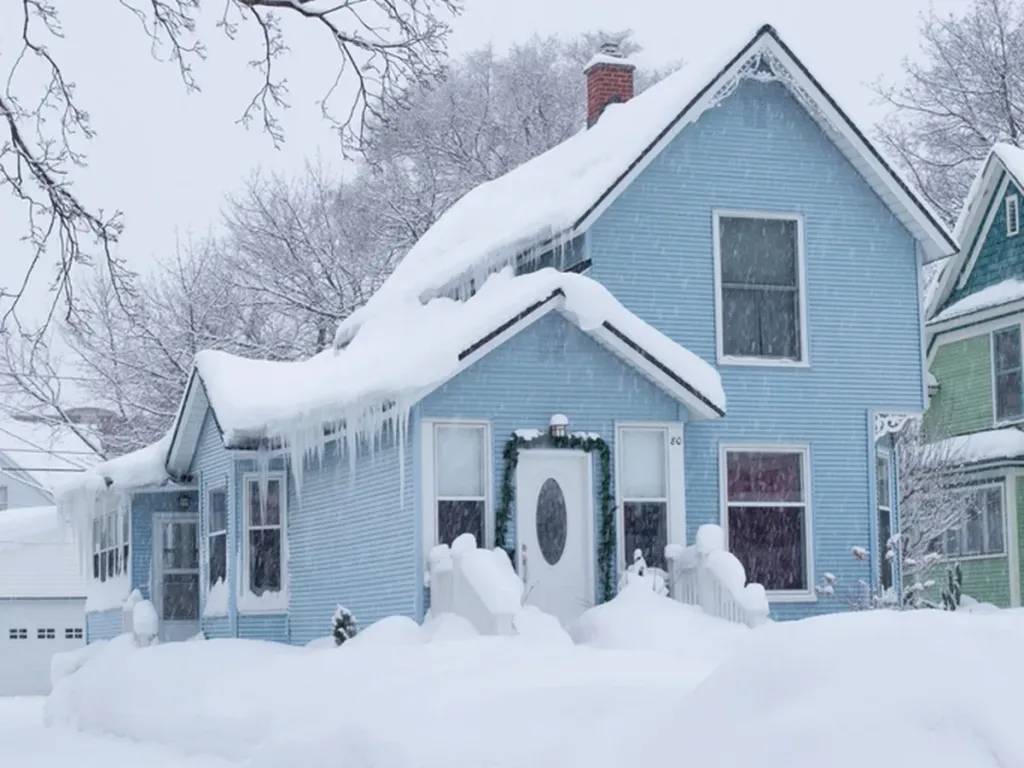
Frequently asked questions
At what temperature do pipes freeze?
Water freezes at 0°C, but pipes usually freeze during long cold snaps when cold air reaches them. The City of Brantford suggests keeping the room where your water service enters the home at 12°C or warmer.
Should I let my taps drip at night in winter?
During extreme cold, a thin, pencil-width trickle helps stop pipes from freezing. It can raise your water bill, so keeping the area warm is usually the cheaper choice.
How do I thaw a frozen pipe safely?
Open a cold tap, then warm the pipe gently with a hair dryer, space heater or heating pad until water flows. Never use an open flame.
Who do I call about frozen pipes in Brantford?
If you still have no water after trying to thaw the pipe for up to 24 hours, call the City of Brantford at 519-756-1360. For leaks inside your home, call a licensed plumber or your landlord.
How do I protect outdoor taps in winter?
Disconnect and drain garden hoses, close the inside shut-off valve for the outdoor tap if you have one, and open the outside tap so it can drain.
A few minutes of preparation now can save a lot of worry later. If winter costs are stretching your budget, our free services at Friendship House (opens in a new tab), including free meals in Brantford (opens in a new tab) and the Wednesday Food Bank (opens in a new tab), are open to everyone at 452 Grey Street.