
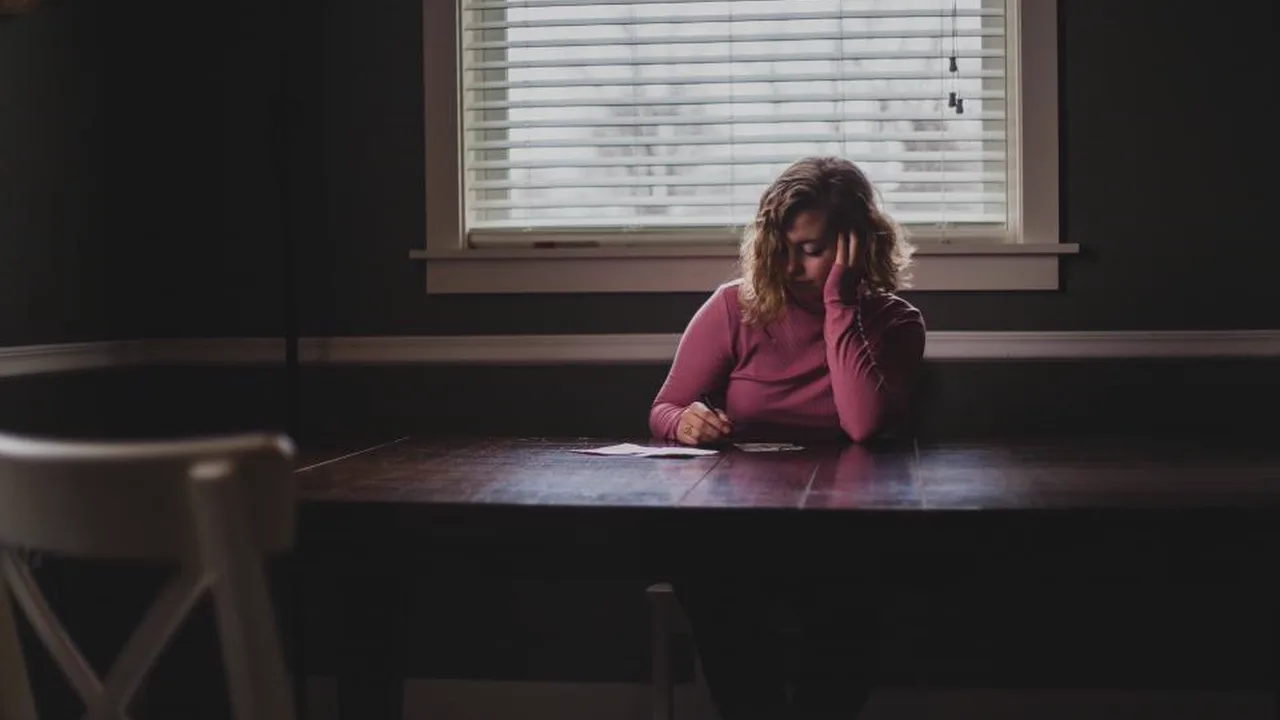
If you are looking for ways to cope with loneliness, you are far from the only one. Loneliness can follow a move, a loss, a new job, retirement or simply a long winter, and it can settle in quietly.
At Friendship House in Brantford, we see every day how much a warm cup of coffee and a friendly face can mean. This guide shares small, practical steps toward connection, and places nearby where you will always find company.
Quick answer
What are good ways to cope with loneliness?
Start small: keep a daily routine, get outside, and plan one short contact with another person each day. Choose places where conversation comes naturally, like a shared meal, a class or a volunteer shift. Be patient, because connection grows over time, and talk to a professional if loneliness starts to affect your health or daily life.
What loneliness really is
The Canadian Mental Health Association describes loneliness as a sign that our current close relationships do not meet our needs. That is why you can feel lonely in a crowded room, or feel fine on a quiet day alone.
Loneliness is common. CMHA notes that around 1 in 4 Canadians say they are not satisfied with the number of friends they have.
Loneliness can also feed itself. When we feel we do not fit in, reaching out gets harder, and the less we reach out, the more alone we feel. The steps below are about gently breaking that cycle.

Start with a daily routine
A simple routine gives shape to the day and makes it easier to take the next step. Get up at the same time, open the curtains, eat regular meals and get dressed, even if you are not going anywhere.
Build one small outing into each day. A walk around the block, a trip to the library or a coffee somewhere with other people around all count.
- Morning: get up, have breakfast and step outside for a few minutes.
- Midday: plan one short contact, such as a phone call, a text or a chat with a neighbour.
- Evening: do something you enjoy, like reading, music or a hobby.

Begin with small connections
You do not have to make a best friend this week. Start with tiny moments: say good morning to the cashier, ask a neighbour about their garden, or wave to the person who walks the same route as you.
CMHA suggests easing in gradually, for example by spending time in a busy public space before joining a group. Small steps build comfort, and comfort makes the bigger steps easier.
Reconnect with people you already know, too. A short message to an old friend or a relative, such as “I was thinking of you today,” often opens a door that has been closed for a while.
Go where conversation comes naturally
It is easier to connect when people are doing something together. Shared meals, classes, faith groups, clubs and volunteer shifts all give you something to talk about.
| Where | Why it helps | Good for |
|---|---|---|
| A community meal | Sitting at a table together makes small talk natural | Anyone, any day of the week |
| Volunteering | You work side by side toward a shared goal | People who like to keep busy |
| A community garden | Gardeners chat, trade tips and share produce | People who love the outdoors |
| A faith community | Regular gatherings and a shared purpose | People looking for belonging and meaning |
| A class or club | Shared interests give you something to talk about | People who want to learn something new |
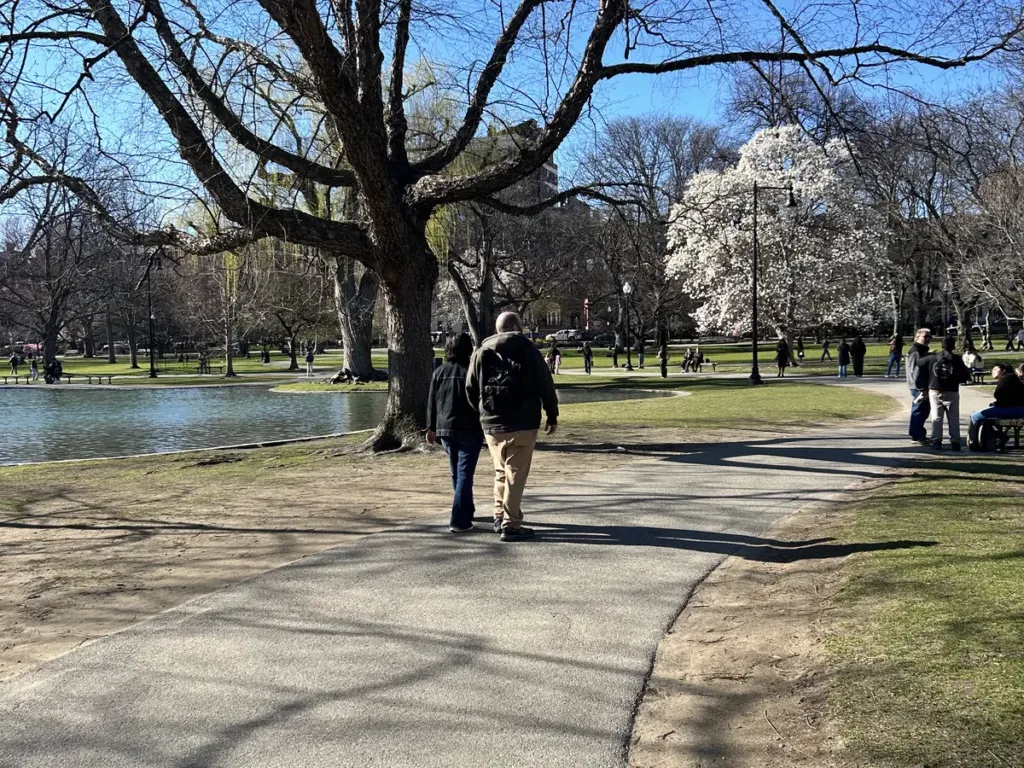
Share a meal at Friendship House
Eating alone day after day is one of the loneliest parts of a quiet life. At Friendship House, 452 Grey Street, you never have to.
Coffee, tea and a light breakfast are served from 8 a.m., and a hot meal is served Monday to Thursday, 10 to 11 a.m. On Fridays, lunch follows Church at the Table at 10:30 a.m. Everything is free and available to everyone.
Find all the details on our free meals in Brantford (opens in a new tab) page, or read about free meals and friendship for seniors (opens in a new tab).

Give your time to others
Helping someone else is one of the quickest ways to feel less alone. Volunteering gives you a reason to show up, a team to belong to and a sense that you matter.
At Friendship House, volunteers help with prepping food, cooking, washing dishes, serving, the Clothing Closet, cleaning and gardening. See our volunteer and project needs (opens in a new tab), or call the office at 519-753-8511, Monday to Thursday, 9 a.m. to 12 noon.
Our community gardens are another friendly place to spend time. You can read about them in our post on the benefits of community gardens (opens in a new tab).
Be kind to yourself
Loneliness is not a flaw, and it is not your fault. CMHA reminds us that settling into a new place, job or season of life can take time, and that not everyone will click with you.
Be careful with comparisons too. Social media shows other people’s highlights, not their quiet evenings or hard days.
Use time alone well. A hobby, a library book, a walk outdoors or learning a new skill can make solo time feel restful instead of empty.
When to reach out for more help
Loneliness that lasts a long time can be linked to depression, anxiety and other health problems. If it is affecting your sleep, appetite, work or will to get through the day, talk to your doctor or a mental health professional.
For free information about local programs, dial 2-1-1. If you are in crisis or thinking about suicide, call or text 9-8-8 (opens in a new tab) any time, day or night. If you are in immediate danger, call 9-1-1.
For more tips, read the Canadian Mental Health Association’s guide to coping with loneliness (opens in a new tab).
If someone you know seems lonely
Sometimes the person who is lonely is a neighbour, a parent or a friend. A phone call, an invitation to share a meal or an offer to walk together can mean more than you know.
Our guide on how to help someone in need in Brantford (opens in a new tab) has ideas for starting the conversation gently.
Frequently asked questions
What are some quick ways to cope with loneliness?
Keep a daily routine, get outside, and plan one small contact with another person each day. Sharing a meal or volunteering are easy ways to be around people.
Can you feel lonely even when you are around people?
Yes. The Canadian Mental Health Association explains that loneliness is about whether your close relationships meet your needs, not only about being alone.
Where can I meet people in Brantford for free?
Friendship House at 452 Grey Street serves free breakfast from 8 a.m. and a free hot meal Monday to Thursday, 10 to 11 a.m. Volunteering and community gardens are other good options.
Are the meals at Friendship House really free?
Yes. Everything at Friendship House is free and available to everyone, including breakfast, the hot meal and the Friday lunch.
When should I get professional help for loneliness?
If loneliness affects your sleep, appetite, work or mood for a long time, talk to a doctor or counsellor. In a crisis, call or text 9-8-8 any time.
Connection rarely arrives all at once. It grows from small moments, a hello, a shared table, a second visit, and our door is open whenever you are ready.