The benefits of volunteering go both ways. The people you serve get a warm meal, a friendly face or a helping hand, and you get something back: new friends, a sense of purpose and often a better week.
At Friendship House in Brantford, volunteers are the heart of everything we do, from the kitchen to the Clothing Closet. This guide explains what volunteering can do for you, how to choose the right role, and how to take the first step.
Quick answer
What are the main benefits of volunteering?
Volunteering helps you meet people and feel less alone, gives you a sense of purpose, and can lower stress. It also builds practical skills and experience for school or work, keeps you active, and lets you see your community up close. Most of all, it makes a real difference to the people you help.
Volunteering helps your community
Every community depends on people who give their time. Food banks, meal programs, clothing banks, community gardens, sports teams and faith groups all run on volunteer hands.
When you volunteer, you fill a real gap. A shift in a kitchen means more meals served, a sorted rack of clothing means a family finds a warm coat, and a weeded garden bed means fresh food later in the season.
Volunteering helps you connect with people
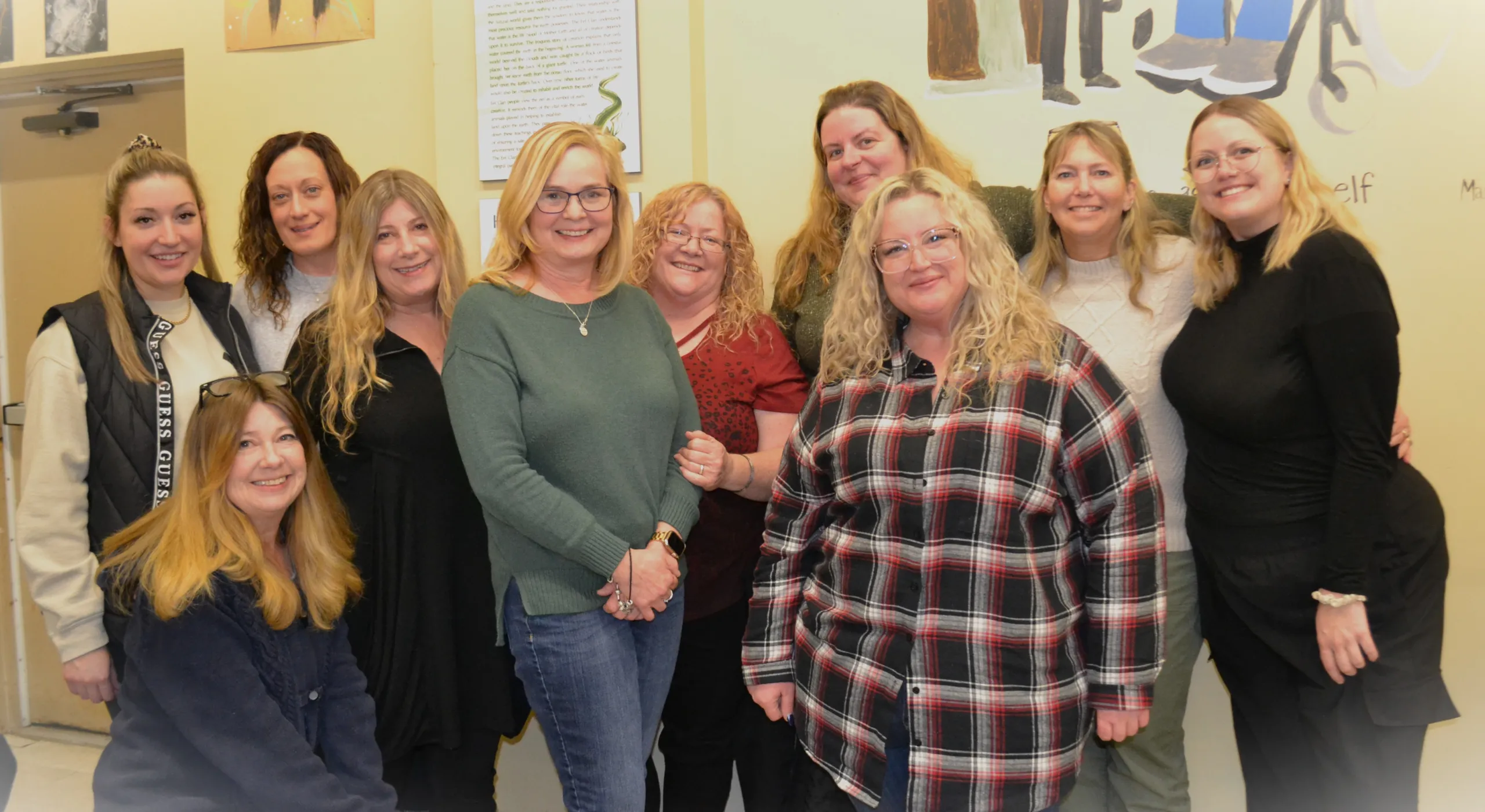
One of the biggest benefits of volunteering is the people you meet. You work side by side with others toward a shared goal, so conversation comes easily, even for people who find it hard to start one.
Writing for the University of Guelph workplace wellness blog, Barbara Robbins notes that volunteering can expand our social network and decrease a sense of loneliness or isolation. Read her article on the power of volunteering (opens in a new tab).
If you have been feeling cut off, our guide to ways to cope with loneliness (opens in a new tab) explains why regular, shared activities help so much.
Volunteering is good for your wellbeing
Helping others can lift your mood and take your mind off your own worries for a while. Many volunteers say they leave a shift tired but happier than when they arrived.
The same article points to research linking volunteering with less stress and fewer symptoms of depression, and to the value of the sense of belonging it creates. Volunteering is not a cure for anything, but it can be one healthy part of a full life.
| Benefit | What it can look like |
|---|---|
| Connection | New friends and a team to belong to |
| Purpose | A reason to get up and a sense that you matter |
| Wellbeing | Less time alone with worries, more time doing good |
| Skills | Cooking, sorting, teamwork, customer service |
| Experience | Something real to add to a resume or school application |
| Activity | Time on your feet instead of on the couch |

Volunteering builds skills and experience
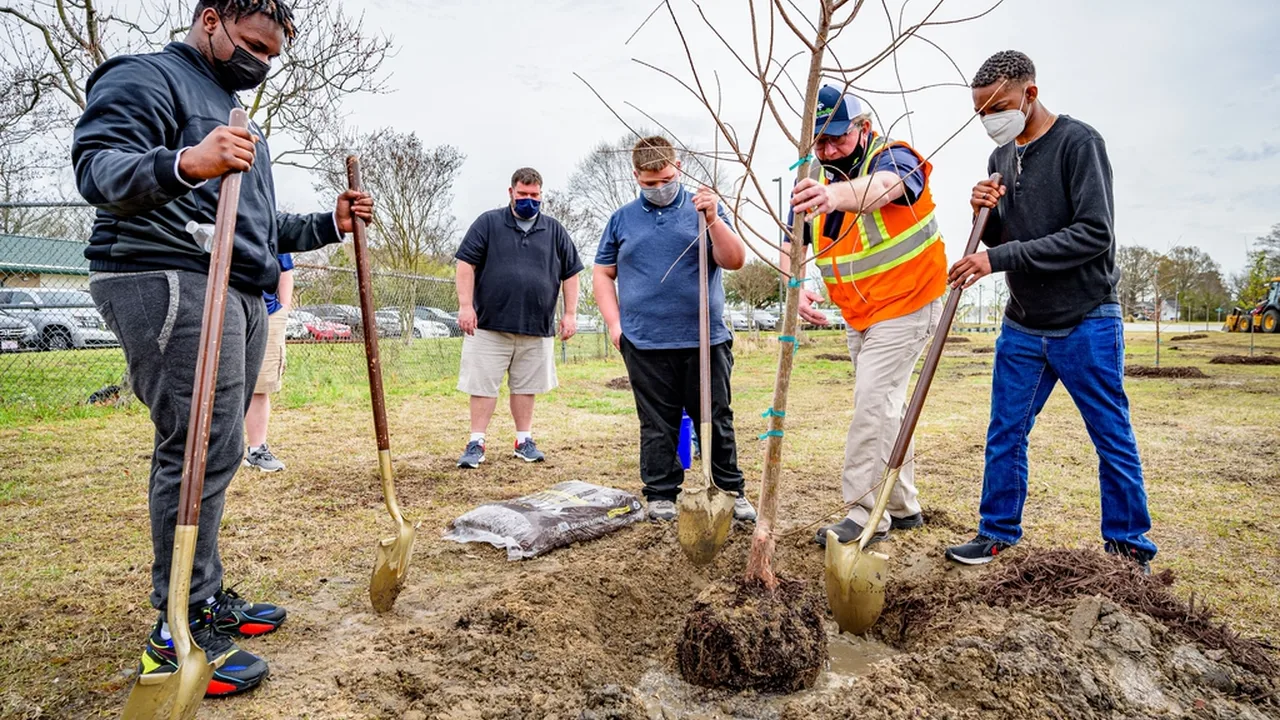
Volunteering is a low-pressure way to learn. In a busy kitchen you practise food preparation, timing and teamwork; in a clothing bank you learn sorting, organizing and how to greet people warmly.
These are skills employers value. If you are between jobs, new to Canada, returning to work or still in school, a volunteer role gives you recent experience, a reference and a story to tell in an interview.
Our guide on what to do after losing your job (opens in a new tab) has more ideas for keeping momentum while you look for work.
Volunteering gives structure and purpose
A regular shift gives your week a shape. Knowing that a team is counting on you is a good reason to get out of the house, especially in winter or after a big life change like retirement.
Purpose matters at every stage of life. Retired people bring years of experience, people between jobs bring fresh energy, and community work has room for both. Ask each organization about its own age rules and requirements before you sign up.
Which kind of volunteering suits you?
The best role is one that fits your interests, your energy and your schedule. Think about whether you like to be busy behind the scenes or talking with people.
| Type | Good for people who | Example tasks |
|---|---|---|
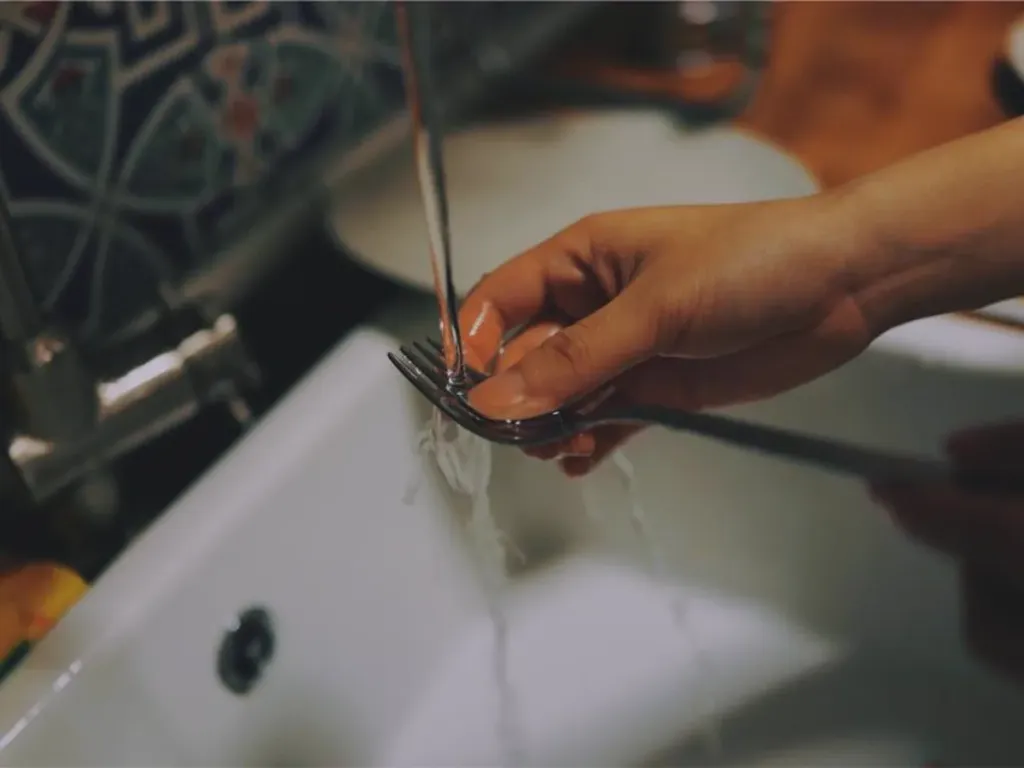
| Hands-on kitchen work | Like to stay busy and work in a team | Prepping food, cooking, washing dishes |
| Serving and welcoming | Enjoy meeting people | Serving food, greeting guests |
| Sorting and organizing | Like order and quiet tasks | Sorting donated clothing |
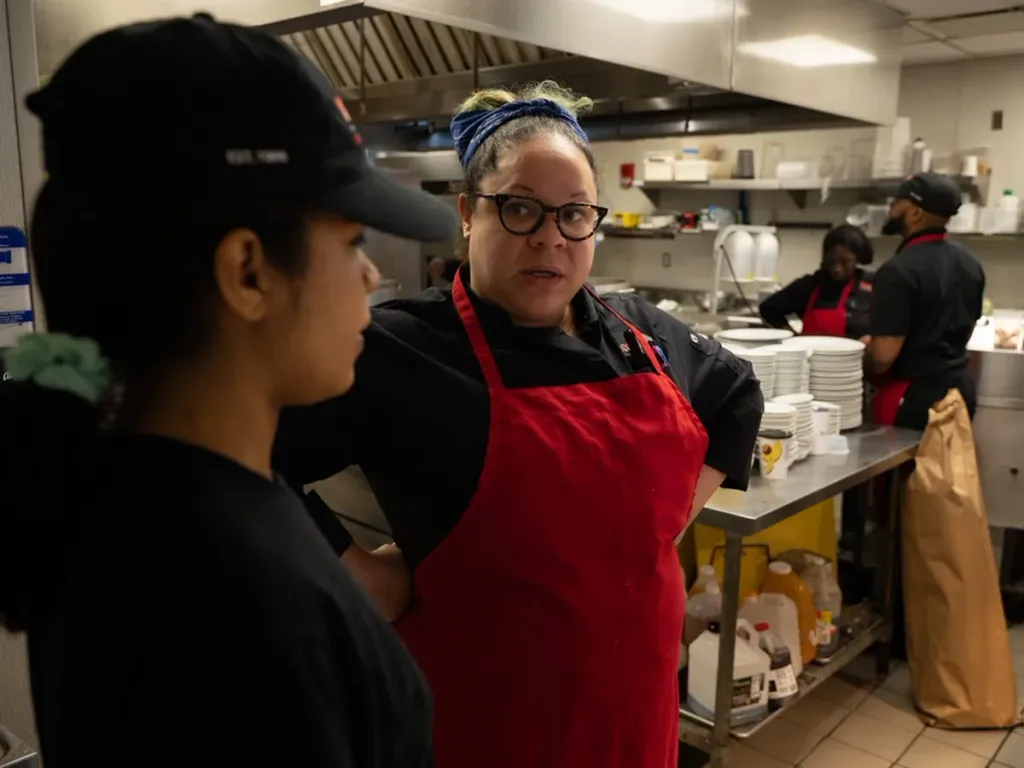
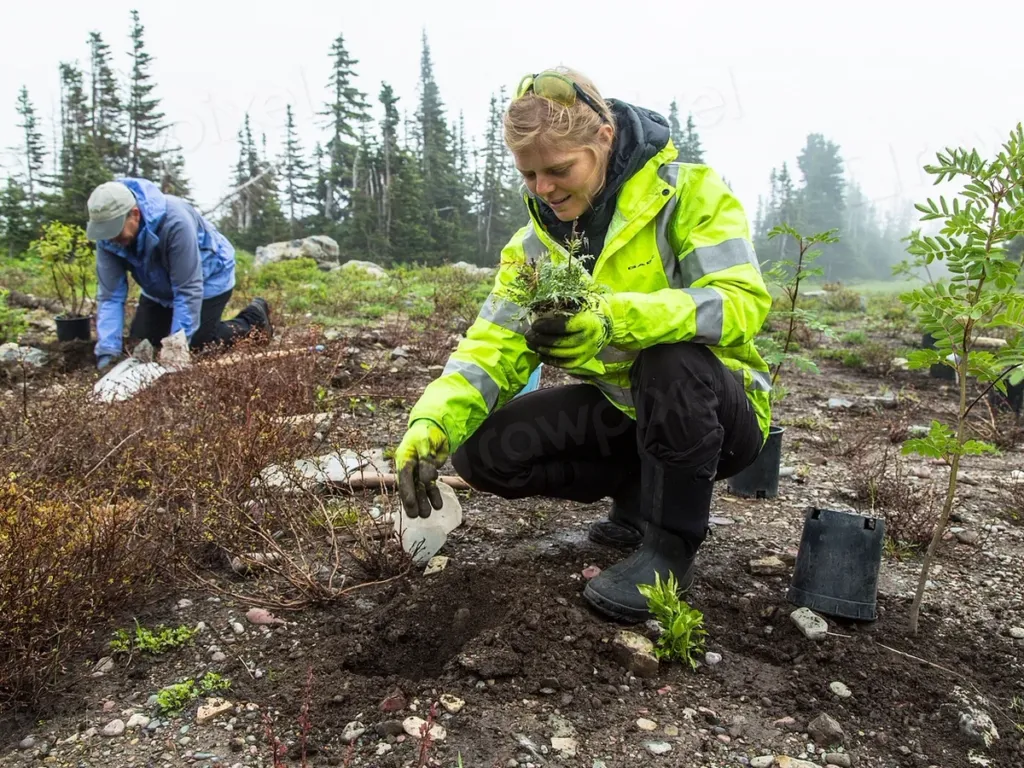
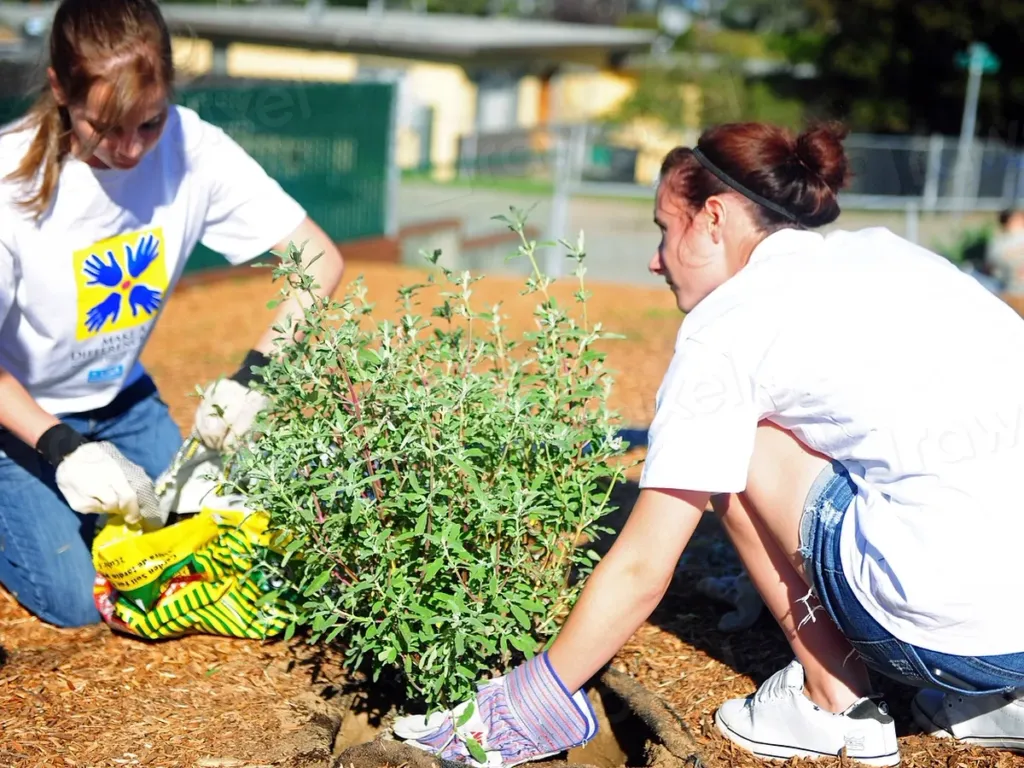
| Outdoor work | Enjoy fresh air and growing things | Gardening |
| Family volunteering | Want to teach children about helping | Food drives, sorting donations |
Volunteering as a family or group
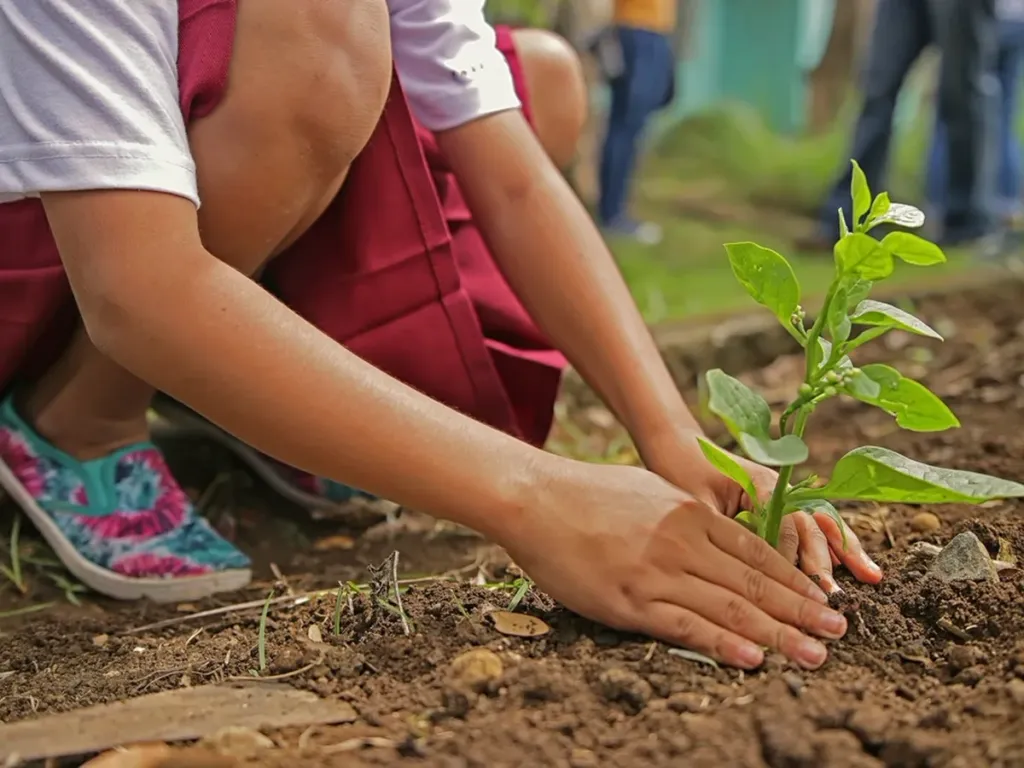
Volunteering together is a wonderful way for families, friends, faith groups and coworkers to spend time together while doing good. Children learn that helping is something ordinary people do every day.
Our guide on how to teach kids about giving back (opens in a new tab) has age-by-age ideas. A group can also run a collection, such as a food drive in Brantford (opens in a new tab) or a clothing drive (opens in a new tab).
How to get started
Starting is easier than many people think. You do not need special training to be useful; a willing attitude and reliability matter most.
- Think about what you enjoy and how much time you can give.
- Choose one or two local organizations whose work you care about.
- Call or email to ask what help they need right now.
- Start with one shift, and see how it feels.
- Be reliable: show up when you say you will, or let the team know early if you cannot.
Volunteer at Friendship House in Brantford
At Friendship House, 452 Grey Street, volunteers help with prepping food, cooking, washing dishes, serving food, the Clothing Closet, cleaning, gardening and more. We welcome people bringing their skills and interests to help others.
See our current needs on the volunteer and project needs (opens in a new tab) page, or call the office at 519-753-8511, Monday to Thursday, 9 a.m. to 12 noon. You can also email info@friendshiphousebrant.com.
Other ways to help if you cannot volunteer
Not everyone can give time, and that is fine. Donating food, gently used clothing or household items helps just as much, and so does a gift of money.
Read our guide on donating household items (opens in a new tab), or visit our donate page (opens in a new tab). Small everyday kindness counts too: our list of random acts of kindness ideas (opens in a new tab) has plenty to try.
Frequently asked questions
What are the benefits of volunteering?
Volunteering helps you meet people, feel less alone, find a sense of purpose, lower stress, build skills and experience, and make a real difference in your community.
Is volunteering good for mental health?
Research has linked volunteering with less stress and fewer symptoms of depression, and the sense of belonging it brings is valuable. It is not a replacement for professional care if you are struggling.
Can volunteering help me get a job?
It can. Volunteering gives you recent experience, practical skills such as teamwork and food preparation, and people who can speak to your reliability.
How do I start volunteering in Brantford?
Choose an organization whose work you care about and ask what help they need. At Friendship House, call 519-753-8511, Monday to Thursday, 9 a.m. to 12 noon.
What do volunteers do at Friendship House?
Volunteers help with prepping food, cooking, washing dishes, serving food, the Clothing Closet, cleaning, gardening and more.
Giving a few hours of your time can change someone’s day, and it may change yours as well. Pick one small way to help this month, and see where it leads.