

Knowing how to spot a scam is one of the best ways to protect your money and your peace of mind. Scammers call, text, email and post online ads every day, and they are very good at sounding real.
At Friendship House in Brantford, we want every neighbour to keep what little they have safe, especially during the busy holiday season. These tips come from the Canadian Anti-Fraud Centre and work for people of every age.
Quick answer
How can I tell if something is a scam?
Be suspicious if someone pressures you to act fast, asks for personal or banking information, wants a fee before you get a prize or loan, or asks you to pay with gift cards. Hang up or do not reply, then check by calling the organization yourself using a number you trust. Report fraud to the Canadian Anti-Fraud Centre online or at 1-888-495-8501, and call your local police if you lost money.
The most common warning signs
Scams come in many forms, but they share the same tricks. Watch for these red flags.
| Warning sign | Example | What to do |
|---|---|---|
| Pressure to act now | “Pay today or you will be arrested” | Hang up |
| Request for personal details | A caller asks for your SIN or bank number | Do not share |
| Upfront fee | You must pay to receive a prize or a loan | Walk away |
| Unusual payment method | Pay with gift cards or cryptocurrency | Never pay this way |
| Too good to be true | A huge discount or a prize you never entered for | Check it yourself first |
| Tech support call | “Your computer has a virus” | Hang up |

Do not be afraid to say no
The Canadian Anti-Fraud Centre (opens in a new tab) says not to let pushy sales pitches rush you. If someone on the phone wants money right away, ask for the details in writing and hang up.
Be wary of urgent stories that pull at your emotions. Scammers often pretend a family member is in trouble and needs money fast. If a grandchild or relative asks for money, check with other family members before doing anything.
Do your research
Always check that an organization is real before you act. Look up its phone number yourself, not the one in the message, and call to confirm.
If a call seems to come from your bank or card company, hang up and call the number on the back of your card. Caller ID, emails and websites can all be faked, so do not trust the number on your screen.

Keep personal information private
The Canadian Anti-Fraud Centre puts it simply: if you did not start the call, you do not know who you are talking to. Do not give your name, address, birthdate, social insurance number or banking details to someone who contacted you unexpectedly.
- Government benefit programs will not ask you to pay to receive a benefit.
- Real prizes do not come with fees: the Centre says there are no prize fees or taxes in Canada.
- Lenders cannot legally ask for an upfront fee before giving you a loan.
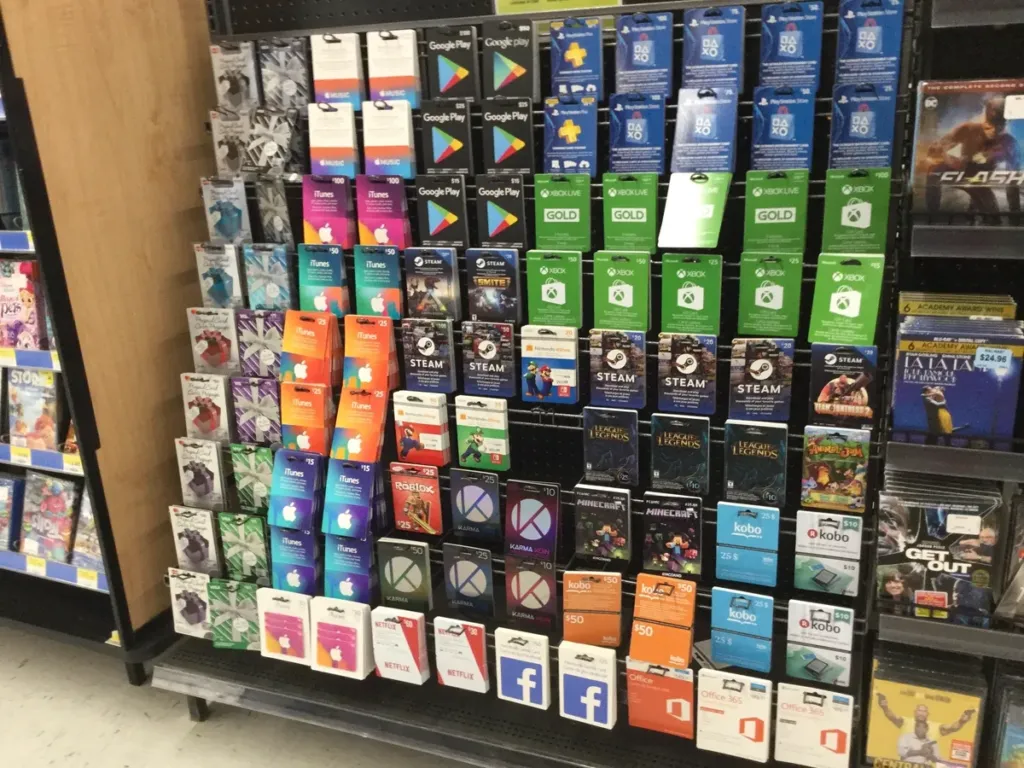
Gift cards are a big red flag
No real government office, bank or business will ask you to pay a bill or a fine with gift cards. Once you share the numbers on the back of a gift card, the money is usually gone.
If someone asks you to buy gift cards and read them the numbers, stop. It is a scam, every time.
Protect your computer and phone
The Centre says no legitimate company will call to say your computer has a virus. Do not click pop-up warnings, do not call the numbers they show, and never let a stranger take remote control of your computer.
- Keep your phone and computer updated.
- Use antivirus software.
- Use strong, different passwords for each account, and turn on two-step sign-in where you can.
- Do not click links in unexpected texts or emails; type the website address yourself.
- Check that a website’s address is spelled correctly before you sign in.

A simple script for suspicious calls
It helps to have words ready. If a caller pressures you, you can say: “I do not give information over the phone. I will call your organization back using the number I already have.” Then hang up.
You do not owe a stranger an explanation. A real bank, government office or business will understand.
Holiday scams to watch for
Scammers are busy in November and December, when people shop, donate and travel more. Fake delivery texts, online ads for deals that are too good to be true and fake charity appeals are common.
Before you give, check that a charity is registered; our guide on how to check if a charity is registered (opens in a new tab) shows you how. Friendship House is a registered charity, and you can always donate to Friendship House (opens in a new tab) directly through our website.
What to do if you have been scammed
If it happens to you, you are not alone, and it is not your fault. Act quickly to limit the damage.
- Contact your local police as soon as possible.
- Call your bank or card company to stop payments and protect your accounts.
- Report the fraud to the Canadian Anti-Fraud Centre online at reportcyberandfraud.canada.ca or by phone at 1-888-495-8501, Monday to Friday, 10 a.m. to 4:45 p.m. Eastern time.
- Write down everything you remember, and keep messages and receipts.
The Centre encourages people to report fraud whether or not they lost money. Every report helps warn others.

Look out for older neighbours
Seniors are often targeted, especially with “grandparent” scams. Talk with older relatives and neighbours about these warning signs, and remind them they can always hang up and call you first. Agree on a family rule: no one sends money in a hurry without talking to someone they trust first. A simple rule like that stops many scams before they start.
Our guide on how to help elderly neighbours in winter (opens in a new tab) has more ways to stay connected.
Frequently asked questions
What are the signs of a scam?
Pressure to act fast, requests for personal or banking information, upfront fees for prizes or loans, and requests to pay with gift cards are all warning signs.
How do I report a scam in Canada?
Report it to the Canadian Anti-Fraud Centre online at reportcyberandfraud.canada.ca or call 1-888-495-8501, and contact your local police if you lost money.
Will the government ask me to pay with gift cards?
No. No real government office, bank or business will ask you to pay with gift cards.
What should I do if a caller says my computer has a virus?
Hang up. The Canadian Anti-Fraud Centre says no legitimate company will call to say your computer is infected.
Do I have to pay fees to collect a prize?
No. The Canadian Anti-Fraud Centre says there are no prize fees or taxes in Canada. If you won it, it is free.
A moment of doubt can save you a lot of money and stress. Slow down, check for yourself, and visit our free services at Friendship House (opens in a new tab) if a scam has left you short this month.