
Learning how to prevent the flu is one of the best things you can do for your health this winter. Flu spreads more in late fall and winter, and it can knock a healthy adult off their feet for days and cause serious problems for babies, older adults and people with health conditions.
At Friendship House in Brantford, many neighbours share our dining room, so we care about keeping everyone well. These tips come from the Public Health Agency of Canada and work at home, at work and anywhere people gather.
Quick answer
What is the best way to prevent the flu?
Get a flu shot every year: the Public Health Agency of Canada says it is the best way to prevent the flu and its complications. Wash your hands often with soap and water for at least 20 seconds, cover coughs and sneezes with a tissue or your elbow, clean high-touch surfaces, and stay home when you are sick.
Get a flu shot every year
The Public Health Agency of Canada (opens in a new tab) says the flu vaccine is the best way to prevent the flu and its complications. It is recommended for almost everyone 6 months of age and older.
You need a new flu shot every year. Protection wears off over time, and the flu viruses that circulate change from year to year.
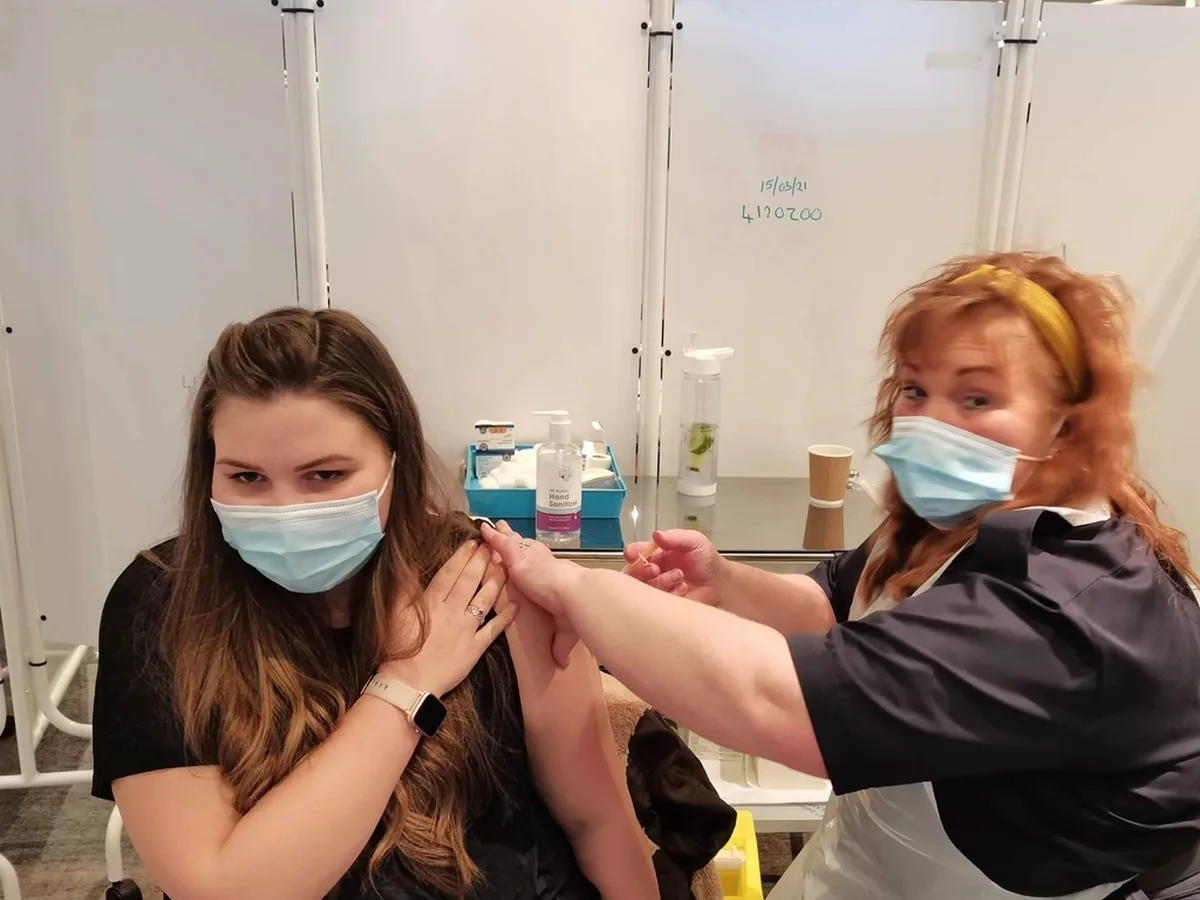
Ask your doctor, a pharmacist or your local public health unit where you can get a flu shot this season.
Who is at higher risk
Anyone can get the flu, but some people are more likely to become seriously ill. The Public Health Agency of Canada lists these groups.
- Children under 5
- Adults 65 and older
- Pregnant people
- People with health conditions such as heart or lung disorders, diabetes, cancer or kidney disease
- People living in nursing homes and other long-term care facilities
- Some First Nations, Inuit and Métis people
If you live with or care for someone in these groups, getting your own flu shot helps protect them too. Someone with the flu can spread it before they notice any symptoms.
Protect babies and pregnant people
Pregnant people are among those at higher risk from the flu. The Public Health Agency of Canada notes that getting the flu shot during pregnancy helps protect the baby too.
Babies under 6 months are too young for their own flu shot. That makes it even more important for parents, grandparents, older brothers and sisters and caregivers to get vaccinated, so the people closest to the baby are less likely to bring the flu home.
Flu prevention at work, school and in shared spaces
Flu spreads easily where people gather. Health care and child care providers can pass the virus to people at higher risk, which is why the flu shot is especially important for them.
- Keep hand sanitizer at the front door, the kitchen and your desk.
- Do not share cups, cutlery or water bottles.
- Wipe down shared phones, keyboards and counters often.
- Keep children home from school or daycare when they are sick.
Wash your hands the right way
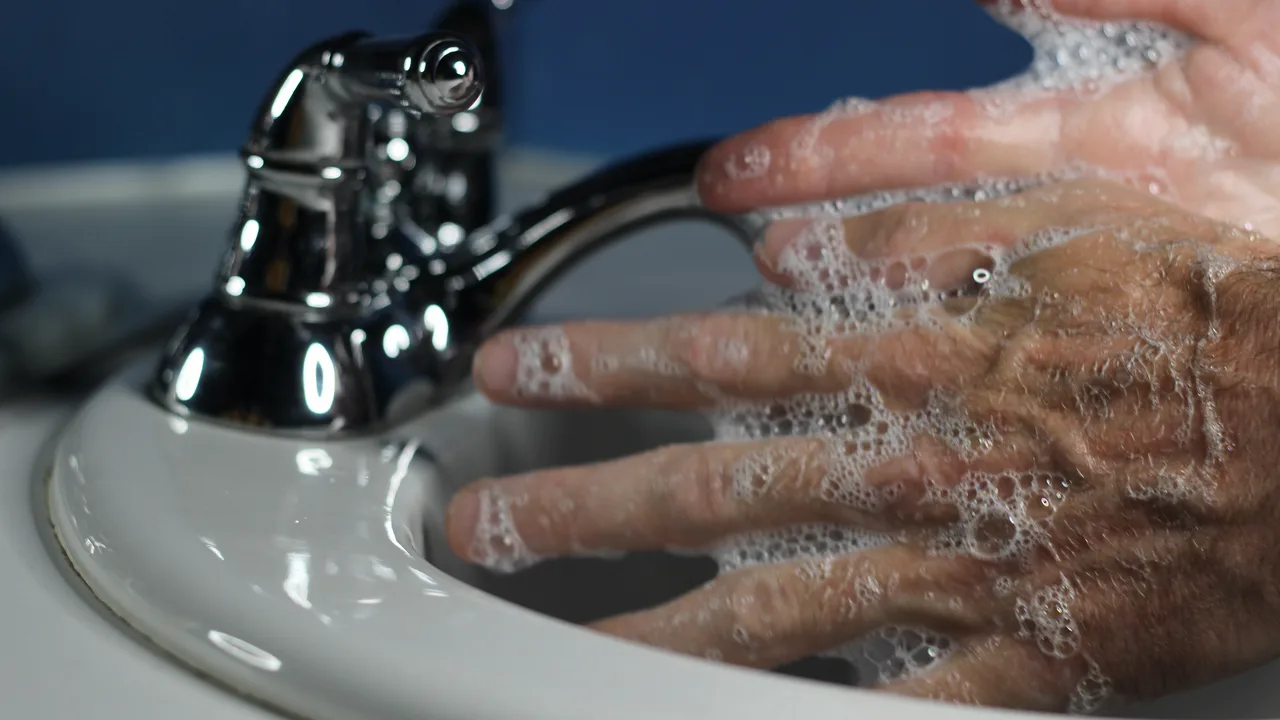
Clean hands stop germs from travelling from surfaces to your eyes, nose and mouth. Wash with soap and water for at least 20 seconds, about the time it takes to hum “Happy Birthday” twice.
If soap and water are not handy, use a hand sanitizer with at least 60% alcohol and rub until your hands are dry. Soap and water is best when your hands are visibly dirty.
| Habit | How it helps | Effort |
|---|---|---|
| Yearly flu shot | Best protection | One visit a year |
| Handwashing for 20 seconds | Stops spread from hands | Many times a day |
| Cough into a tissue or elbow | Protects others | Every cough or sneeze |
| Clean high-touch surfaces | Removes germs | Daily |
| Stay home when sick | Stops spread to others | Whenever you are ill |
Cover your coughs and sneezes
Cough or sneeze into a tissue, then throw it away and wash your hands. No tissue? Use your elbow instead of your hand.
If you have symptoms and must be around others, go out in public or get medical care, the Public Health Agency of Canada suggests wearing a well-fitting mask.

Keep your home clean and fresh
Flu viruses can live on surfaces for a while. Clean and disinfect things people touch often, like doorknobs, light switches, phones, taps and remote controls.
When the weather allows, open windows and doors for a little while to bring in fresh air. Better airflow helps lower the amount of virus in a room.
Stay home when you are sick
Staying home when you are sick, even with mild symptoms, is one of the kindest things you can do for others. Limit contact with other people until you feel better.
- Rest as much as you can.
- Drink plenty of fluids, like water, broth and soup.
- Keep tissues and a garbage bin close by.
- Call your doctor or ask a pharmacist if you are worried about your symptoms.
- Call 9-1-1 for trouble breathing, chest pain or other emergencies.

Eat well and look after yourself
Healthy habits help your body cope with winter bugs. Try to eat regular meals with vegetables and fruit, sleep well and stay active when you can.
Warm soup is comforting on a cold day. If groceries are tight this winter, our guides to cheap soup recipes (opens in a new tab) and food bank meal ideas (opens in a new tab) can help you stretch what you have.

Look out for each other
Check in by phone on older neighbours or friends who live alone when flu is going around. Offer to pick up groceries or medicine so they can stay home and rest.
Our guide on how to help elderly neighbours in winter (opens in a new tab) has more ideas for staying connected through the cold months.

A warm meal and a welcome
Friendship House at 452 Grey Street serves coffee, tea and a light breakfast from 8 a.m. and a hot meal Monday to Thursday, 10 to 11 a.m. If you are feeling unwell, please rest at home and come back when you feel better; our free meals in Brantford (opens in a new tab) will be here.
Frequently asked questions
What is the best way to prevent the flu?
The Public Health Agency of Canada says a yearly flu shot is the best way to prevent the flu and its complications. Handwashing, covering coughs and staying home when sick also help.
Who should get a flu shot?
The flu vaccine is recommended for almost everyone 6 months of age and older, especially people at higher risk and those who live with or care for them.
How long should I wash my hands?
Wash with soap and water for at least 20 seconds. If soap is not available, use a hand sanitizer with at least 60% alcohol.
Why do I need a flu shot every year?
Protection wears off over time, and the flu viruses that circulate change from year to year.
Can I spread the flu before I feel sick?
Yes. Someone with the flu can spread the virus to others even before they notice any symptoms.
A flu shot, clean hands and a few kind habits can keep our whole community healthier this winter. Take care of yourself, and see our free services at Friendship House (opens in a new tab) whenever you need a warm place to start the day.