

A note from school about head lice can send any parent into a panic. The good news is that head lice are a nuisance, not a danger, and knowing how to get rid of head lice makes the job much simpler.
At Friendship House in Brantford, we know families are busy and budgets are tight. This guide uses advice from the Canadian Paediatric Society to explain what works, what does not and how to avoid wasting time and money.
Quick answer
How do I get rid of head lice?
Only treat if you find live lice in the hair. Use a head lice product as the package directs, rinse over a sink, then repeat the treatment 7 to 10 days later to catch newly hatched lice. Wash items that touch the head in hot water and dry them on hot for at least 15 minutes. Head lice do not spread disease.
What head lice are
The Canadian Paediatric Society’s Caring for Kids page on head lice (opens in a new tab) explains that head lice are tiny insects that live on the scalp, where they lay eggs. They have three stages: the egg, or nit, the young louse and the adult.
Nits hatch in 9 to 10 days, and adult lice can live up to 30 days on a person’s head. Head lice do not spread disease.

How head lice spread
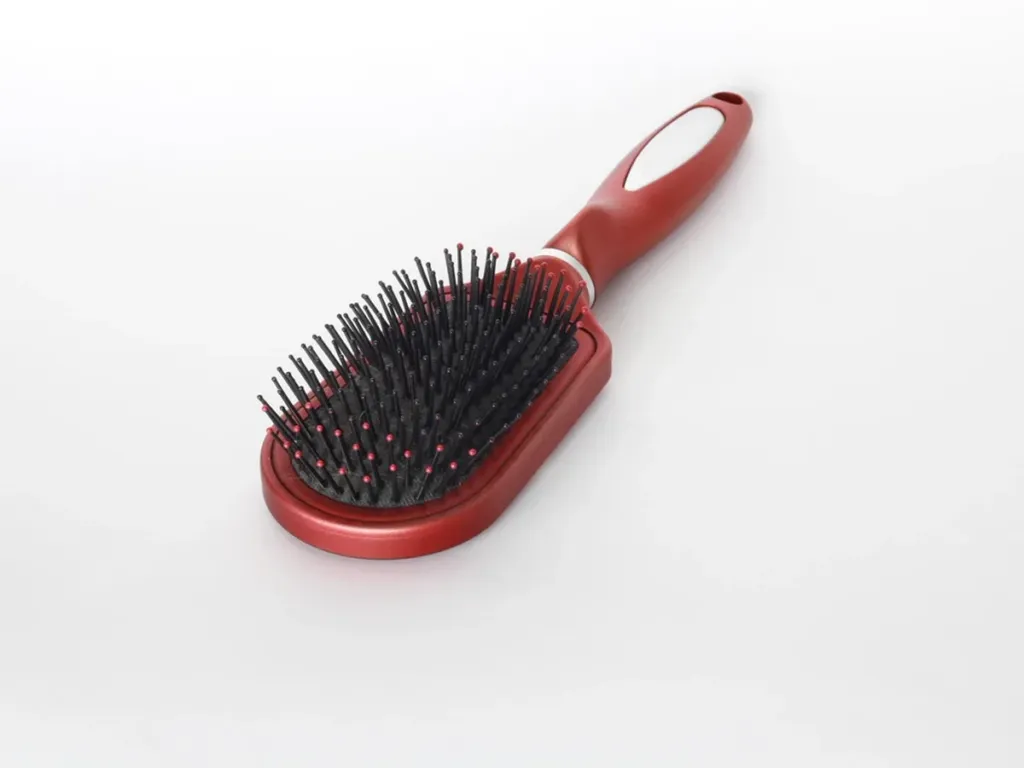
Head lice spread easily where people are in close contact. They move through direct hair-to-hair contact, or by sharing hats, combs, hairbrushes and headphones.
Lice crawl quickly, but they cannot fly or jump. Many children get head lice at some point.
How to check for lice
An itchy scalp is one of the first signs, but some people have no symptoms at all. Check your child’s hair right away if their scalp is itchy or if they have been around someone with lice.
- Check again once a week for 2 weeks after any exposure.
- Ask a pharmacist to show you what to look for if you are unsure.
How to treat head lice
| Step | What to do |
|---|---|
| Confirm | Only treat if you find live lice |
| Choose a product | Ask a pharmacist; products are available without a prescription |
| Apply | Follow the package directions and rinse over a sink |
| Repeat | Treat again 7 to 10 days later |
The Canadian Paediatric Society says products with pyrethrin are safe for children over 2 years old, and products with permethrin are safe for people over 2 months old. Ask your pharmacist which product fits your child’s age.
Do not treat anyone who does not have live lice. Treating “just in case” does not help.
What does not work
- Never use gasoline or kerosene; they are dangerous.
- Home remedies such as mayonnaise or olive oil probably will not kill lice.
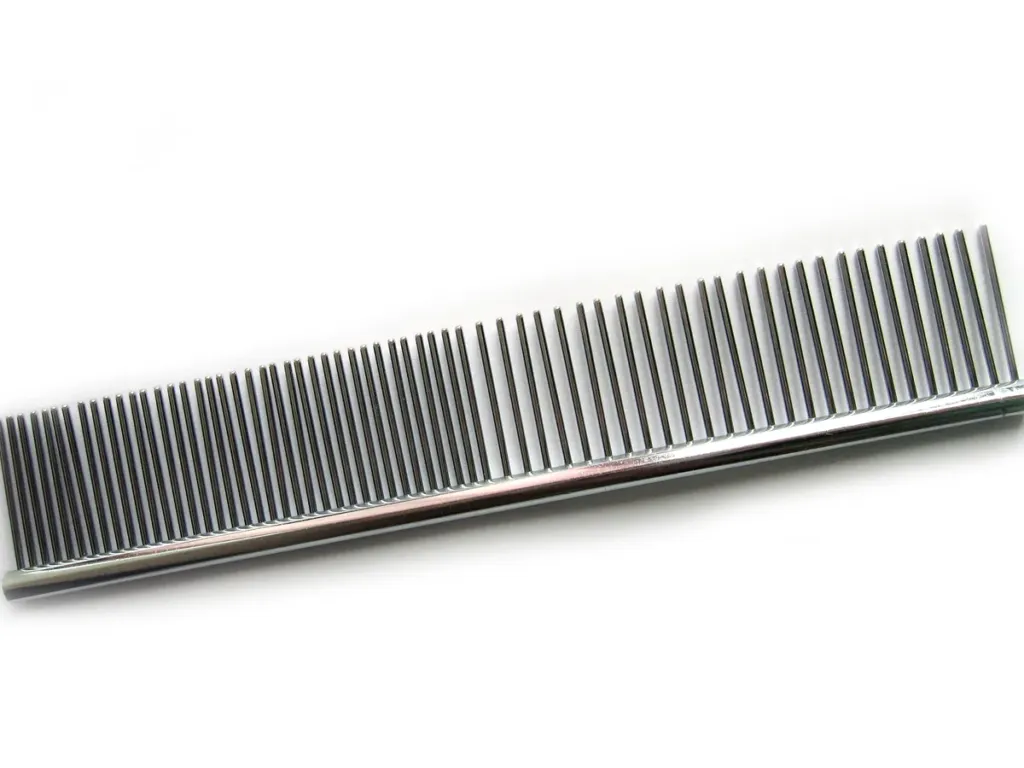
- There is little evidence that wet combing works on its own; it can be used alongside a treatment.
No need for a big clean
Because head lice do not live long off the scalp, the Canadian Paediatric Society says there is no need for extra cleaning of your home. Only items that touch the head need attention.
- Wash pillowcases, hats and hair items in hot water and dry them in a hot dryer for at least 15 minutes.
- Or seal items that cannot be washed in an airtight plastic bag for 2 weeks.
That saves time and money for busy families, and lets you focus on the treatment that matters: the hair itself.

Talking with your child
Children can feel embarrassed about head lice. Tell them it is common, that it happens to many families and that it is not their fault. Keep the treatment calm and matter-of-fact.
Older children can help by not sharing hats, combs, brushes or headphones, and by telling you right away if their scalp feels itchy. Praise them for helping; a calm attitude makes the whole process easier for everyone.
Check the whole family
Lice spread through close contact, so check everyone in the home when one person has them. Only treat the people who have live lice.
- Check each person carefully, one at a time.
- Treat everyone who has live lice on the same day, if possible.
- Repeat the treatment 7 to 10 days later for everyone treated.
- Check again once a week for 2 weeks.
Saving money on treatment
Head lice products can be costly. Ask your pharmacist which product suits your child’s age, and follow the directions exactly so you do not need to buy more than necessary.
Remember that you only need to treat people with live lice, and there is no need for expensive cleaning products or services for your home. Spend your money on the right treatment, used correctly.
Preventing lice from coming back
- Teach children not to share hats, combs, brushes or headphones.
- Check hair weekly if lice are going around at school.
- Treat quickly if you find live lice again.
When to call a health professional
Call your doctor, a pharmacist or 811 for advice if the scalp looks infected, if you are unsure whether you have found lice, or if treatment does not seem to work after the second application.
Ask a pharmacist before treating babies, pregnant or breastfeeding people, or anyone with a scalp condition. They can explain which products are suitable and how to use them safely.
School and child care
The Canadian Paediatric Society says children with head lice should be treated and can then go back to school or child care as usual. It considers “no-nit” policies, which keep children home until every egg is gone, unnecessary.
Let the school know, so other families can check their children. Remind your child not to share hats, combs or brushes.

Help for families in Brantford
If you need free clothing or bedding while you wash things, our Clothing Closet (opens in a new tab) offers free adult, children’s and baby clothing, plus bedding and towels, Tuesday to Thursday, 10 to 11:30 a.m. Friendship House at 452 Grey Street also serves free breakfast from 8 a.m. Our guide to Healthy Smiles Ontario (opens in a new tab) explains free dental care for kids.
Frequently asked questions
How do I get rid of head lice?
Treat only if you find live lice, follow the product directions, rinse over a sink and repeat the treatment 7 to 10 days later.
Do head lice spread disease?
No. The Canadian Paediatric Society says head lice do not spread disease.
Do I need to clean my whole house?
No. Only items that touch the head need attention: wash them in hot water and dry on hot for at least 15 minutes, or seal them in a plastic bag for 2 weeks.
Can my child go to school with nits?
The Canadian Paediatric Society says children should be treated and then return to school or child care as usual, and that no-nit policies are unnecessary.
Do home remedies like mayonnaise work?
They probably will not kill lice. Never use gasoline or kerosene, which are dangerous.
Head lice are common and treatable. Stay calm, treat only when you find live lice, repeat in 7 to 10 days, and visit our free services at Friendship House (opens in a new tab) for help with the basics.